Valeč and the Doupov Rim
Doupovské hory , Point to point , hiked 5 July 2017
Three easy days along the south-eastern rim of the Doupovské hory, from the castle brewery in Chyše past the Baroque village of Valeč to a Romanesque finish in Vroutek.
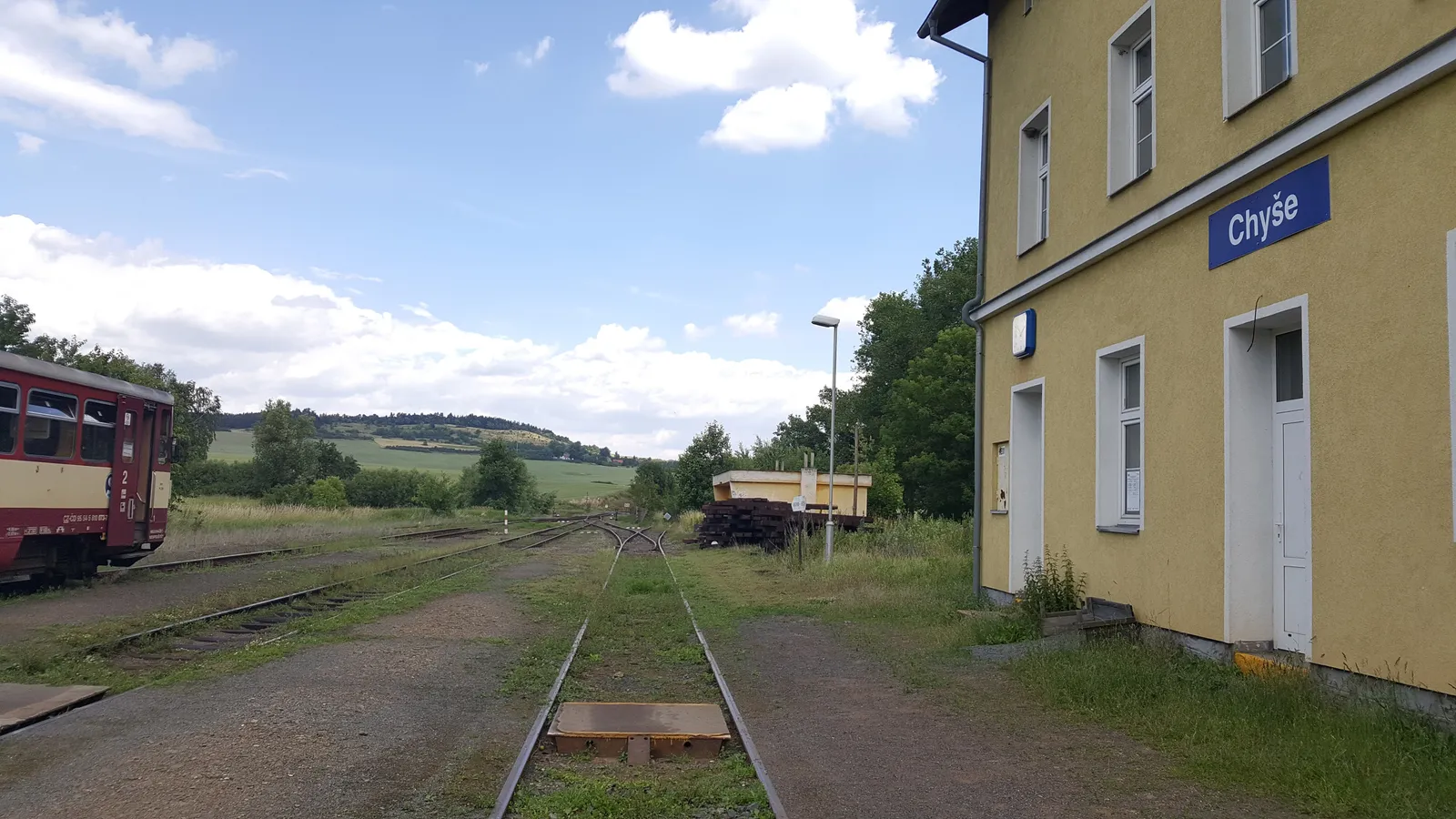
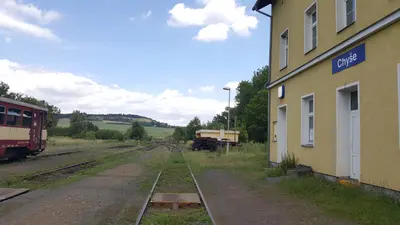
The walk starts at the Chyše railway station. From Prague the connection runs via Rakovník, with one change.
Day one: Chyše
There is no need to hurry off anywhere. Chyše itself fills the first afternoon. Visit the castle and its church, then end at the castle brewery. Both the brewery and the restaurant were decent when I visited in 2017.
Day two: over the rim to Valeč
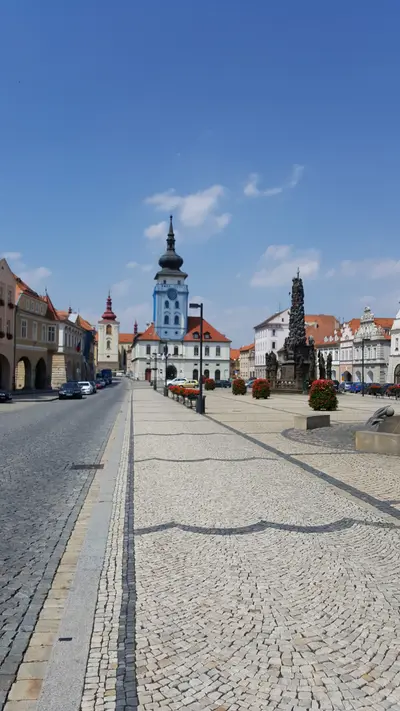
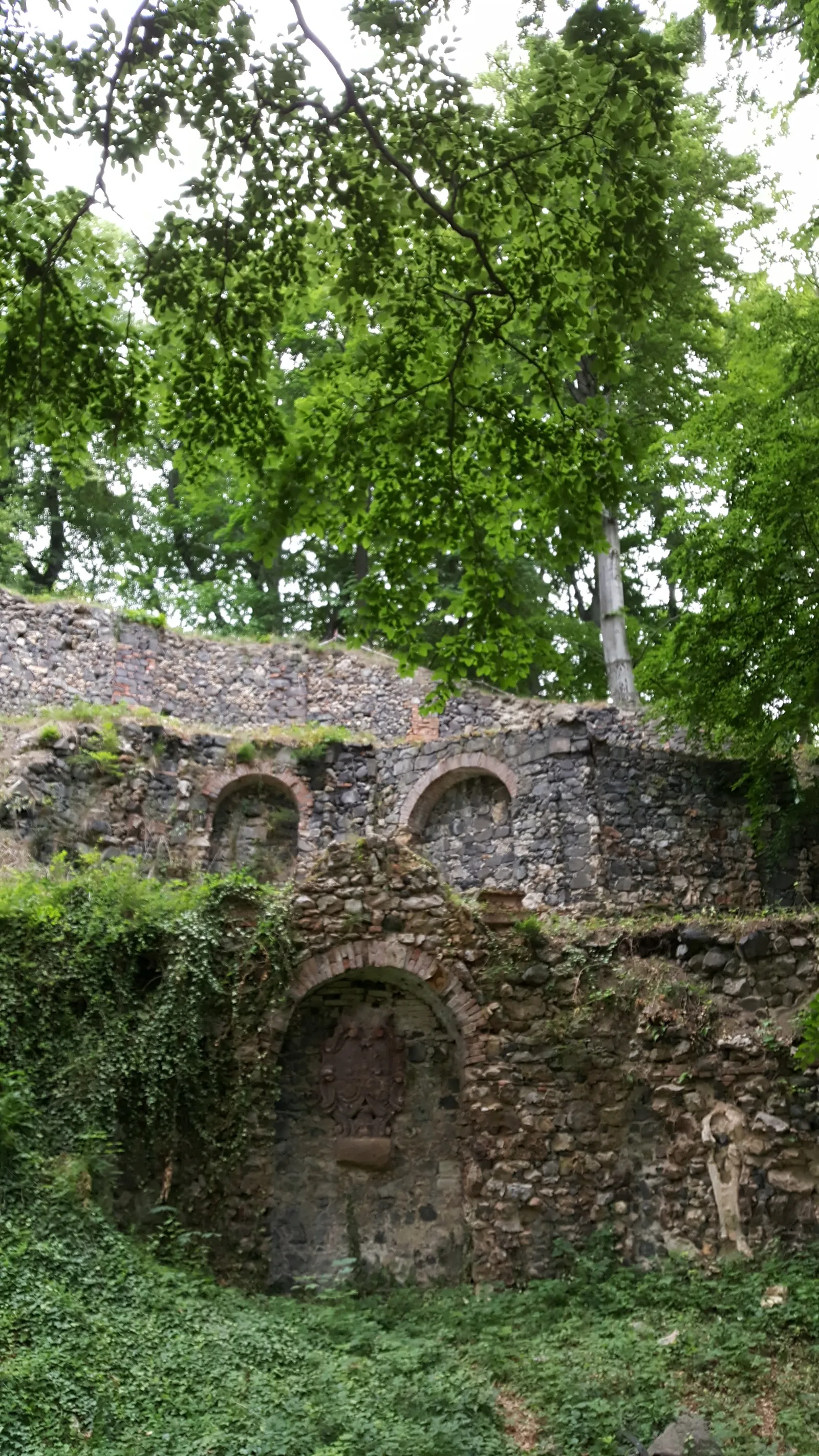
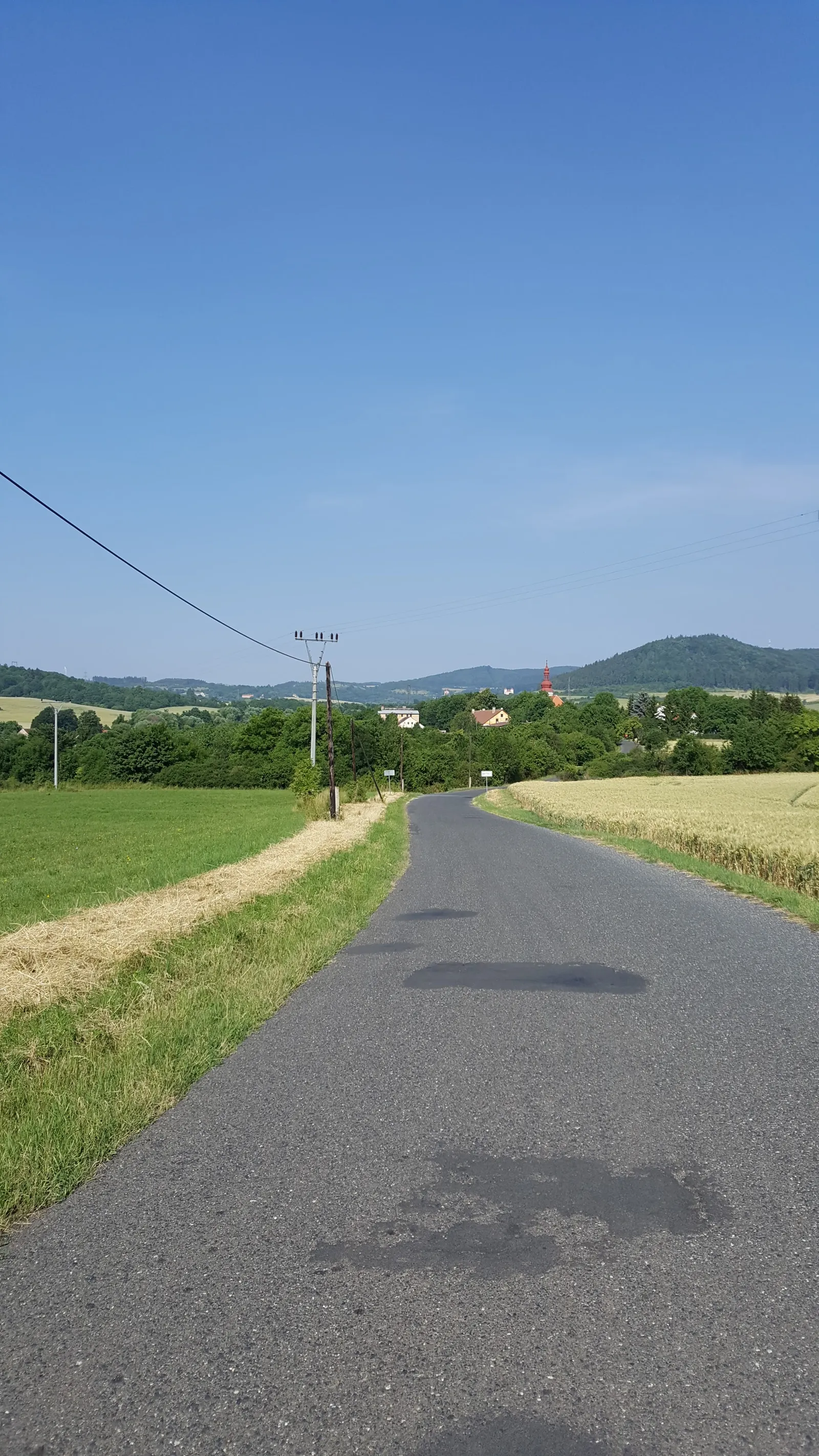
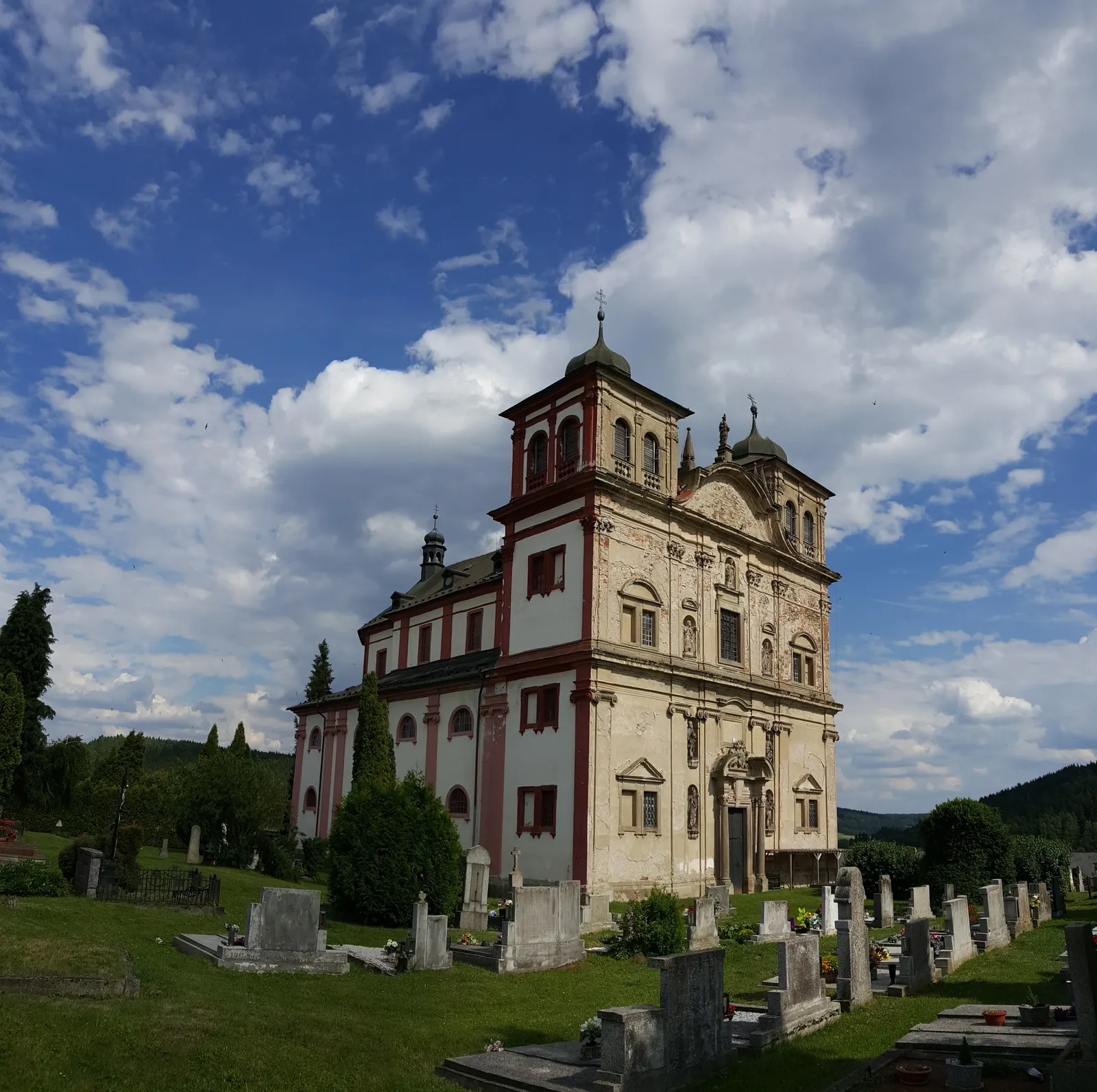
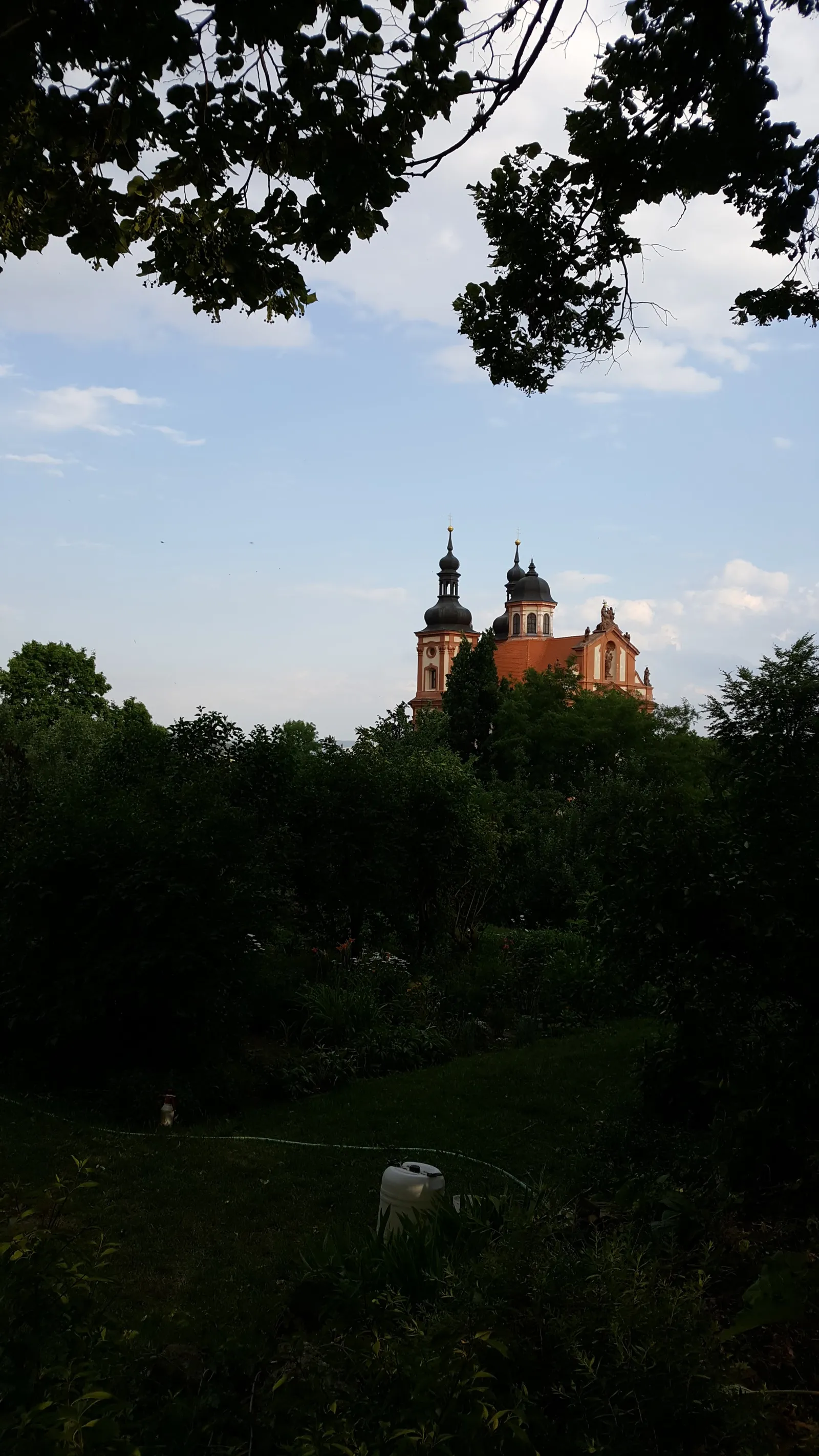
The middle day has most of the climbing. The route goes north through Nahořečice and up onto the south-eastern rim of the Doupovské hory. The target is Valeč. Give it a long stop, not a pass-through. You want time for the castle, the park with its Braun statues and the Baroque village around them.
Day three: down to Vroutek
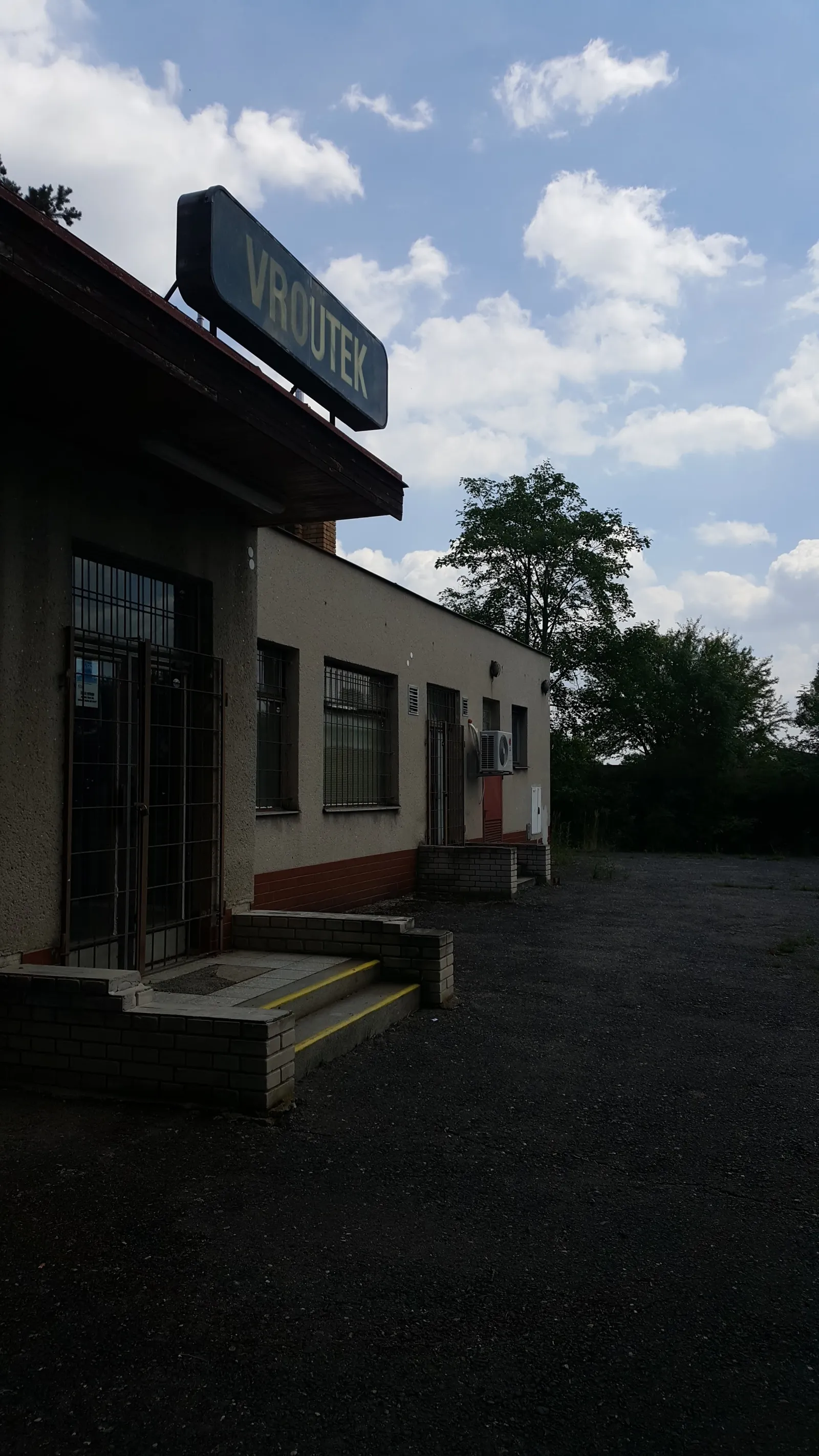
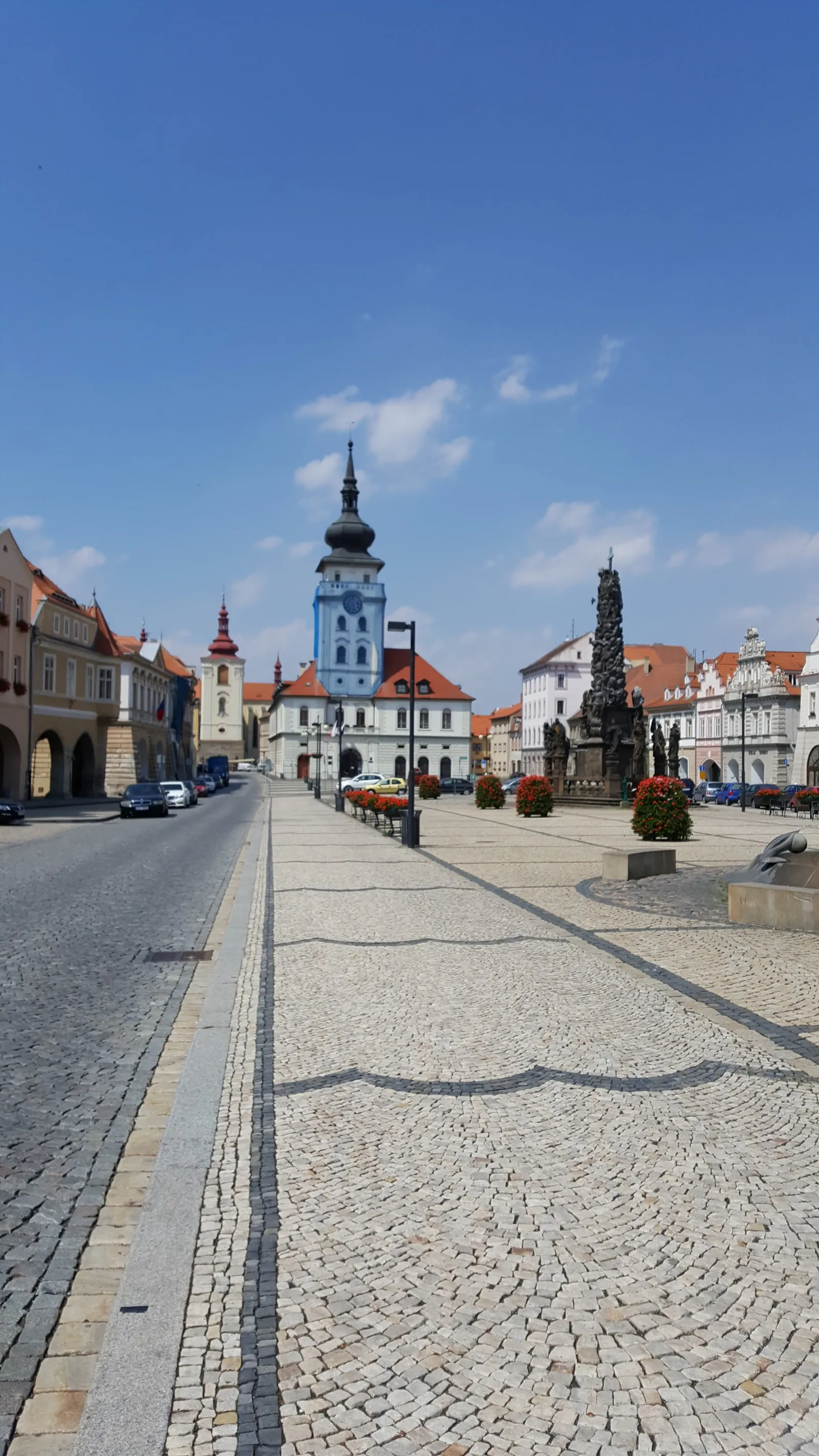
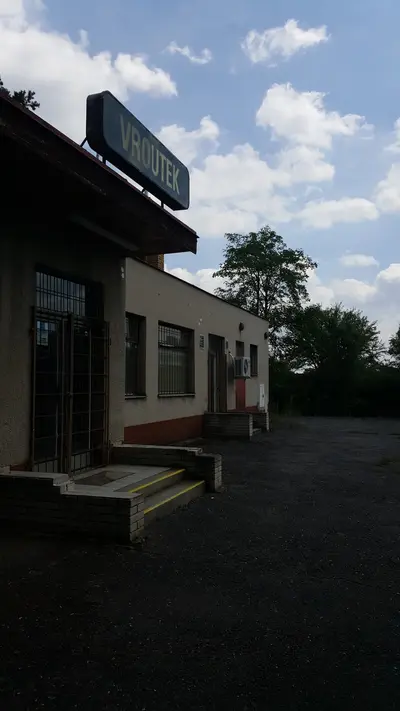
The last leg leaves the hills eastward through Vesce and Vidhostice and ends in Vroutek. Make a final detour to the Romanesque church of St James before the station. The train home runs through Žatec.
Practical info
| Start | Chyše railway station, by train |
|---|---|
| End | Vroutek, by train, bus |
| Terrain | forest path |
| Food & water | Chyše castle brewery (restaurant, km 1). Brewery and restaurant, both decent (2017). |
| Links | Open route on Mapy.com |
| GPX | Download track |
On the way
-
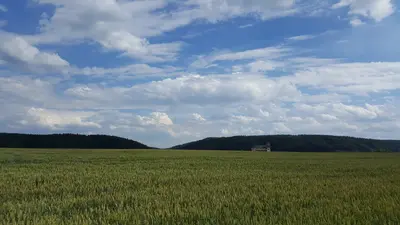
Chyše
A small town on the Střela with a Tudor-Gothic castle where Karel Čapek once tutored, and a castle brewery pouring its own beer again since 2006.
-
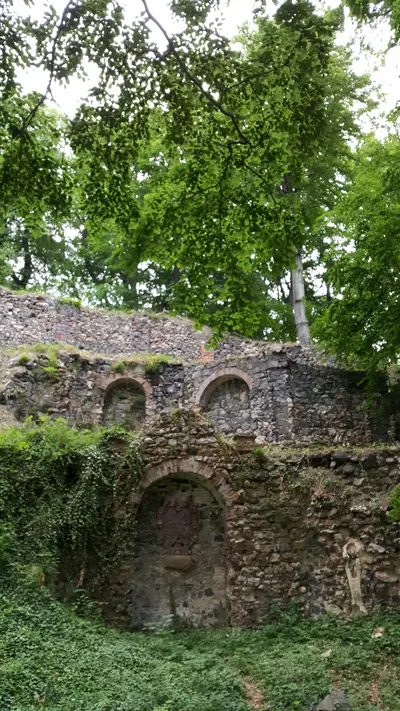
Valeč
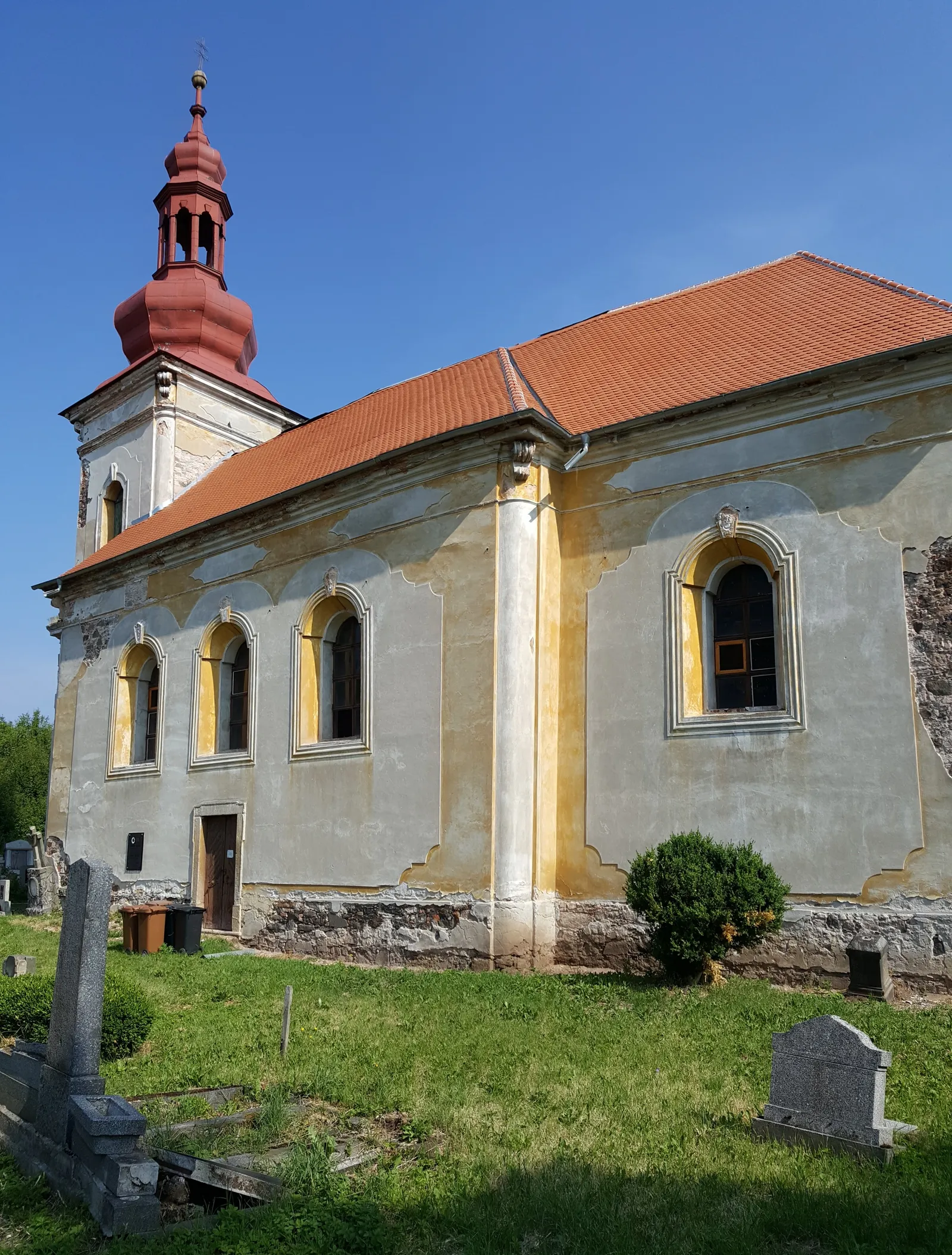
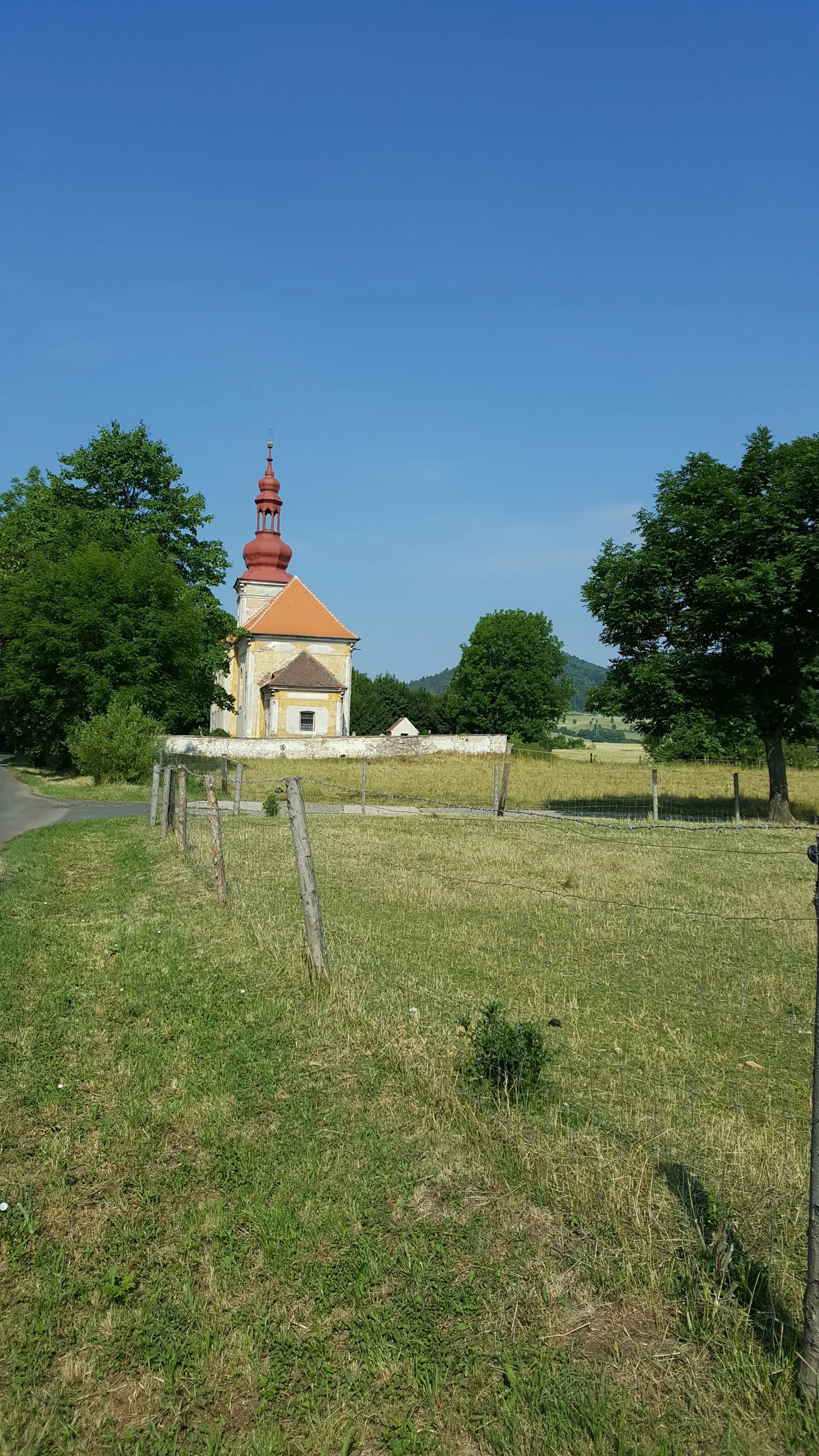
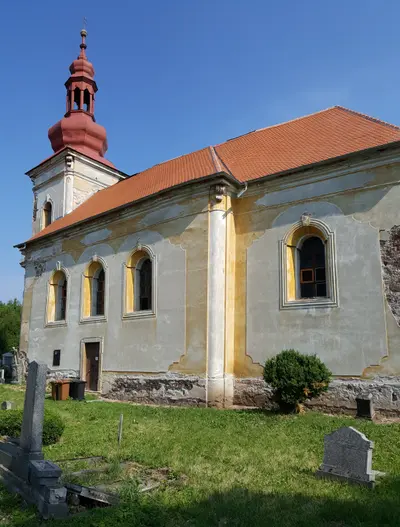
A Baroque showpiece village on the south-eastern edge of the Doupovské hory. It has a castle, a terraced park with Braun-workshop statues, and the Holy Trinity church with its 1730 column.
-
Vroutek
A small town below the Doupovské hory whose Romanesque church of St James the Greater, built 1155–1200, is one of the best-preserved in the region. It has a railway station for the trip home.
Photos
-
-
km 0.54 -
km 8.62 -
km 18.21 -
-
-
-
km 24.37 -
km 31.5 -