Lichnice and the Foothills
Železné hory · CHKO Železné hory · Point to point · hiked 10 June 2023
A 30.6 km north-bound traverse off the Železné hory — Lichnice castle first, lunch in Heřmanův Městec, a beer at Choltice château, flat finish to Přelouč.
From Třemošnice station the day is easy to plan: all the climbing comes in the first hour, so the castle can have your unhurried time without putting you behind schedule. Přelouč at the far end sits on a fast main line, so even a late finish gets home quickly.
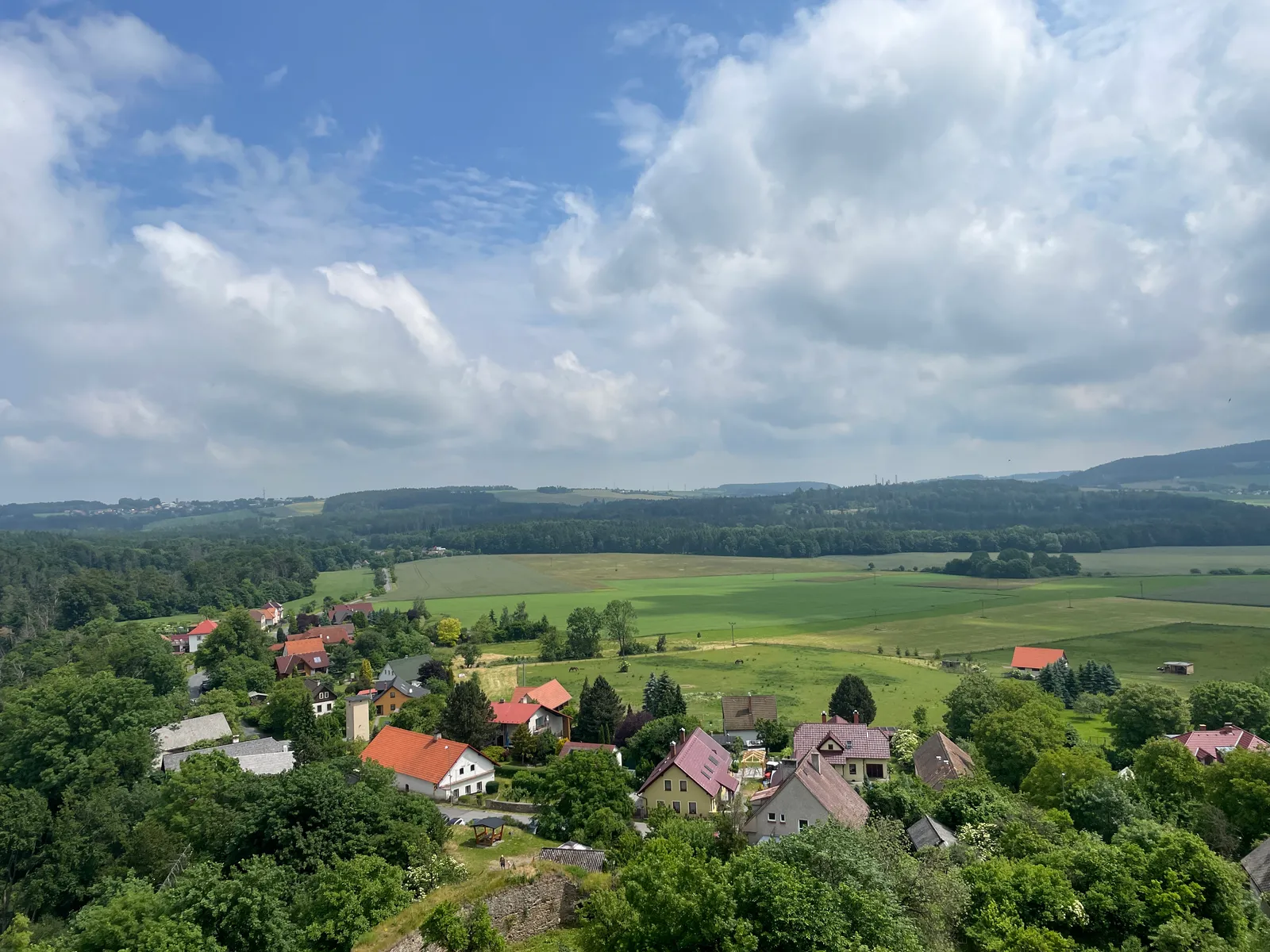
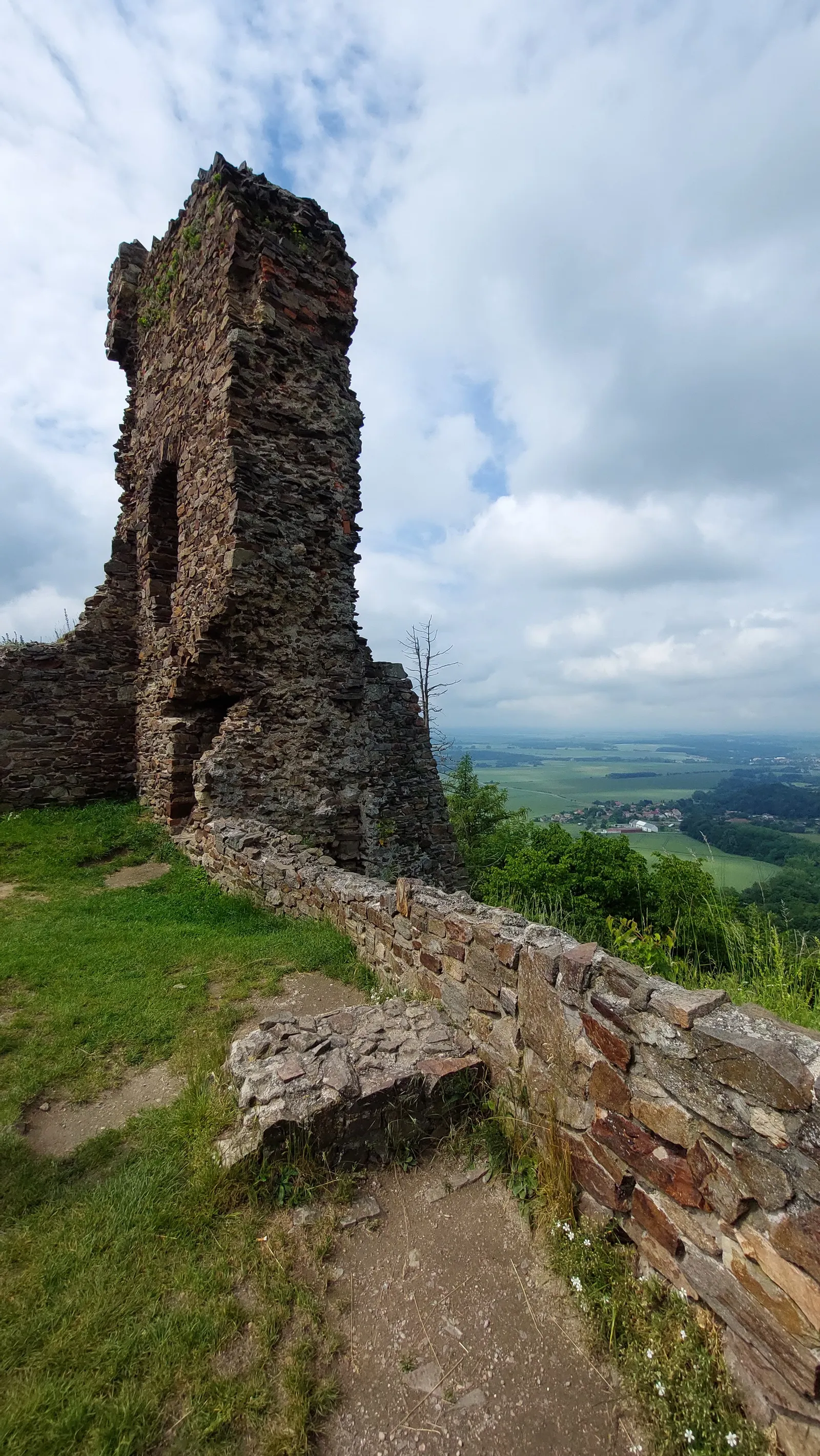
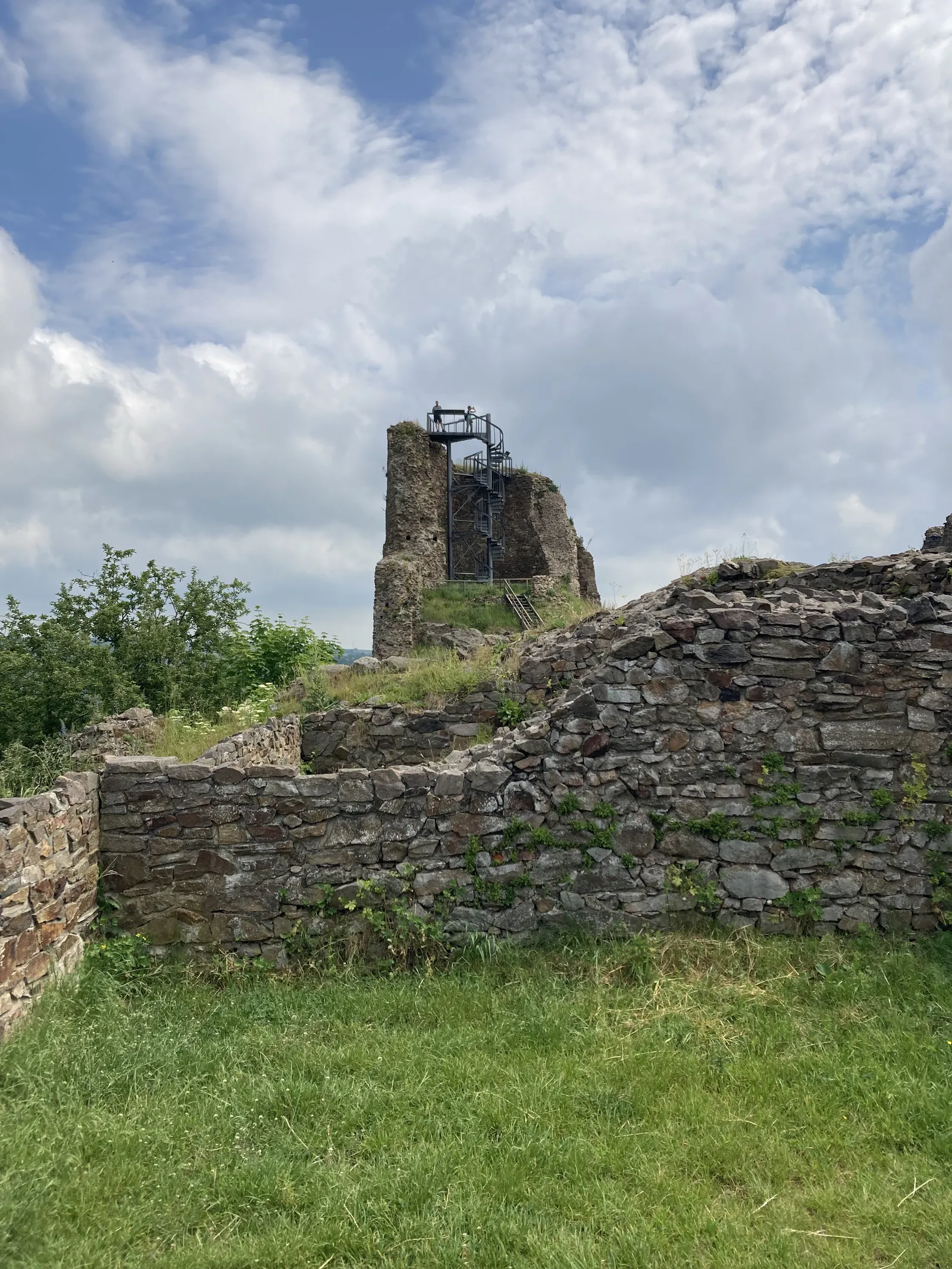
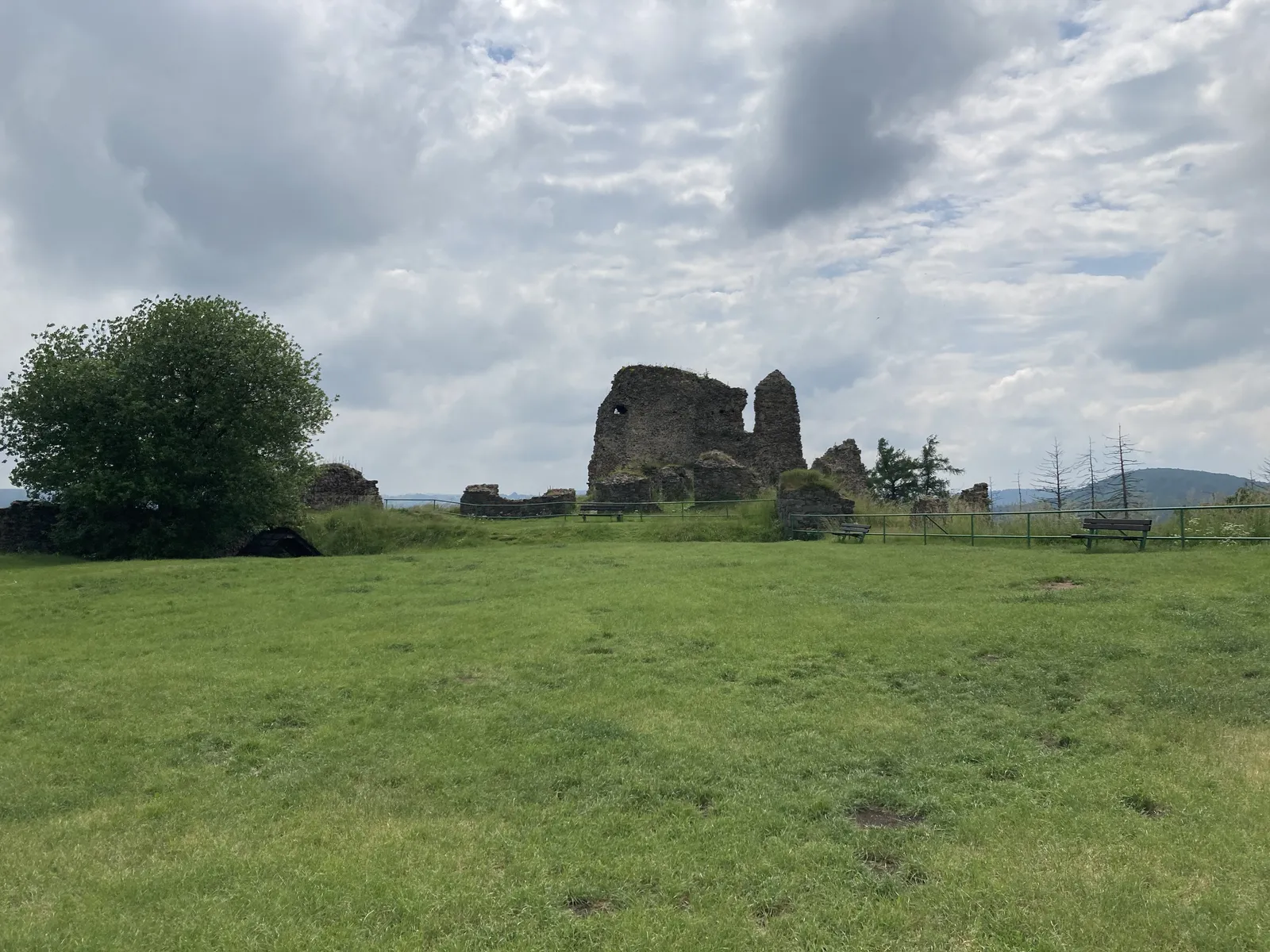
From Třemošnice station the way climbs through Podhradí to Lichnice — Charles IV’s inalienable royal castle, razed by imperial order in 1649, with the modern Milada platform standing where the tower did and the Železné hory rolling away behind. This is the high point of the day in both senses; what follows is downhill on average all the way to the Labe plain.
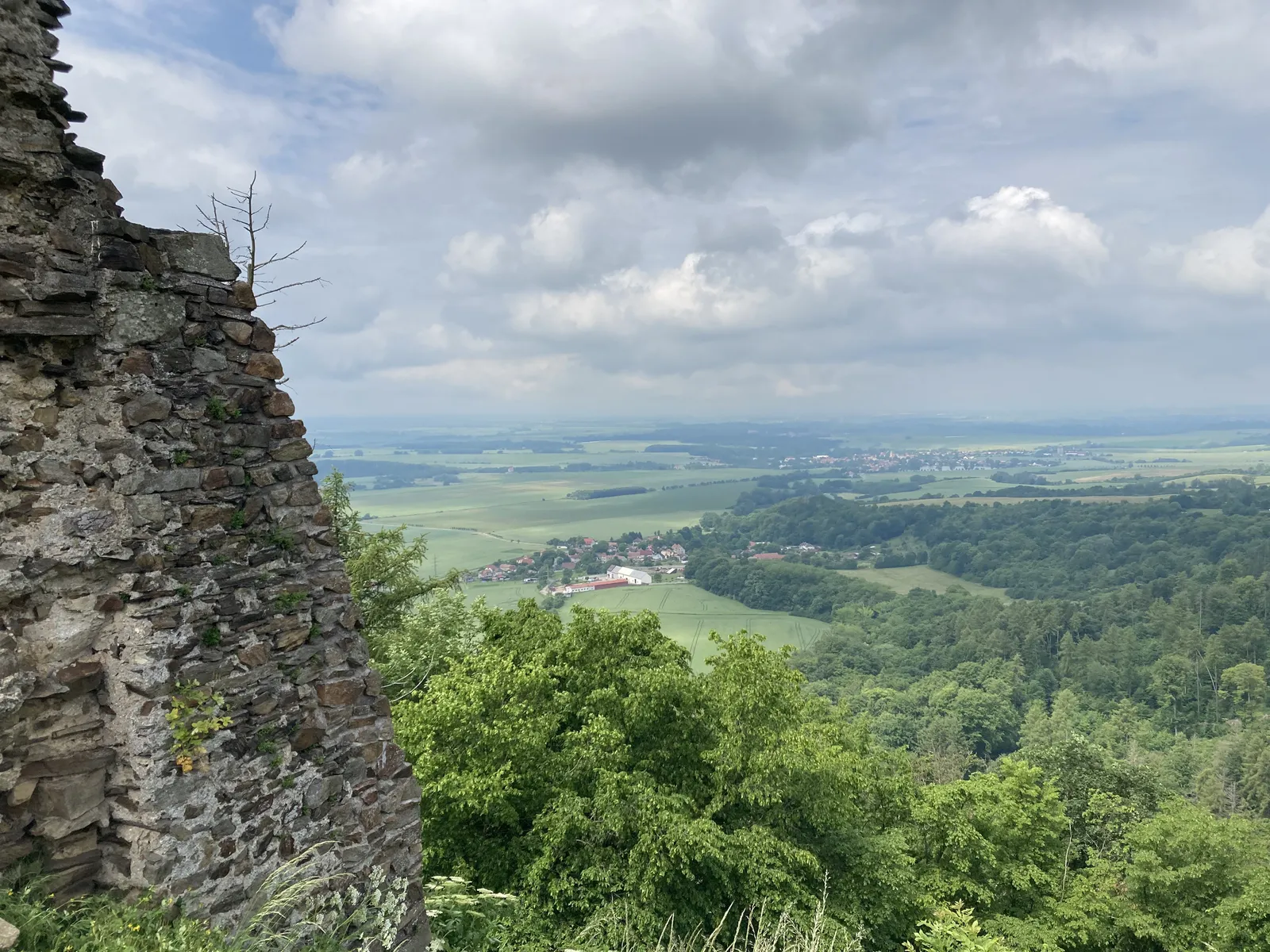
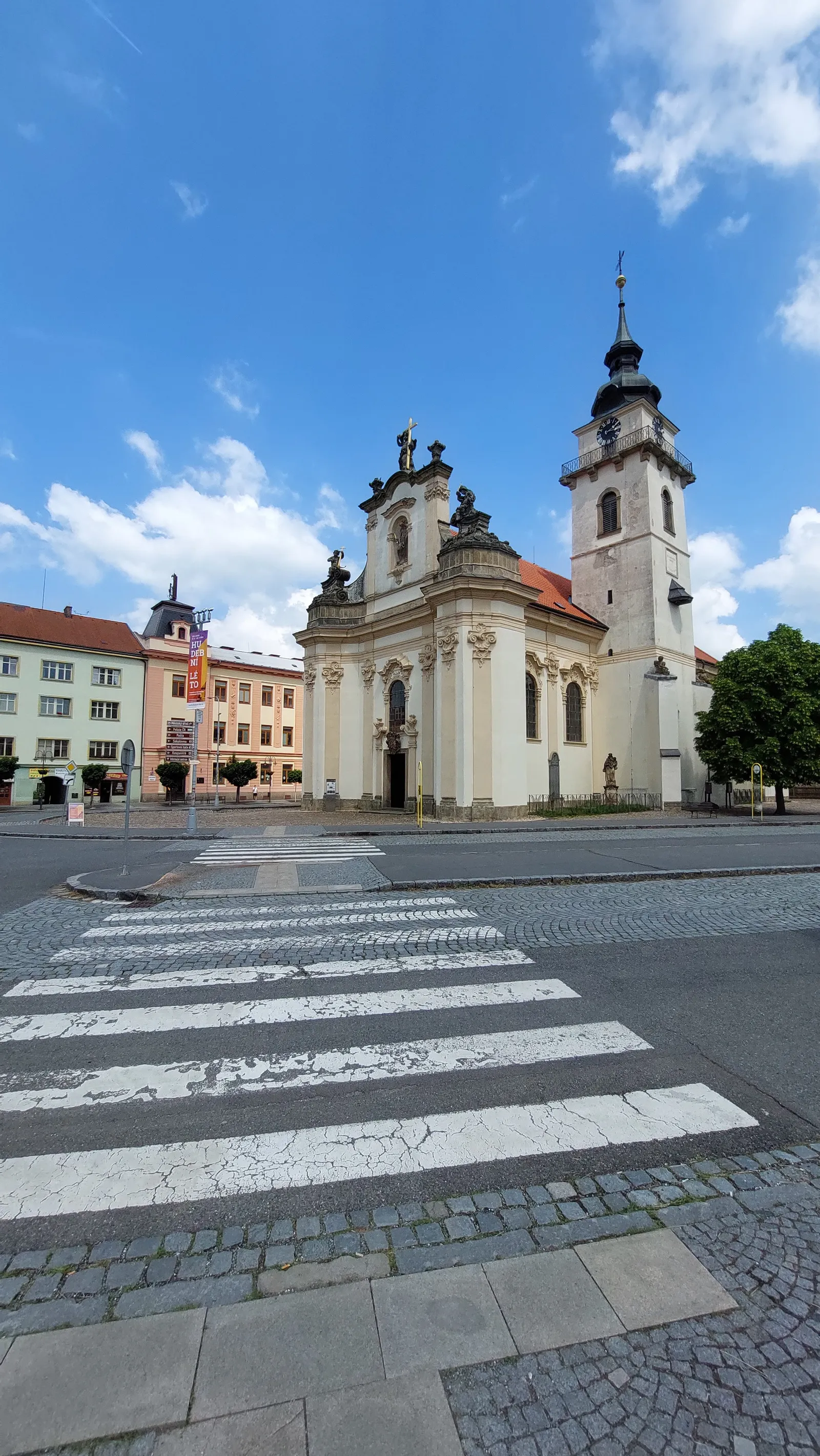
The middle third crosses the foothills through Míčov and Konopáč to Heřmanův Městec, the lunch town — give its Jewish quarter a look before moving on. Beyond, the flat second half passes through Raškovice and Jedousov to Choltice, where a beer in the château courtyard under the chapel of St Romedius is the civilised late stop. The final kilometres into Přelouč are plain walking to the station.
Practical info
| Start | Třemošnice railway station — by train, bus |
|---|---|
| End | Přelouč railway station — by train, bus |
| Terrain | forest path |
| Food & water | lunch in Heřmanův Městec (restaurant , km 14 )
castle pub at Choltice (pub , km 24 )
— beer in the château courtyard |
| Links | Open route on Mapy.com |
| GPX | Download track |
On the way
-
Lichnice
A royal castle ruin on the rim of the Železné hory above Třemošnice — Charles IV's inalienable fortress, razed in 1649, with the Milada platform of 2017 standing where the tower stood.
-
Heřmanův Městec
A small town under the Železné hory with a château in an English park, a long square for lunch — and one of the best-preserved Jewish quarters in eastern Bohemia.
-
Choltice
A half-built baroque château of the Thun family (finished 1670–78) whose octagonal chapel of St Romedius, 24.5 m of stucco and painting, ranks among the finest early baroque spaces in the country.