Konopiště and Chvojen
Podblanicko · Point to point · hiked 28 May 2016
A 24.7 km easy walk from Benešov through the Konopiště park and the hilltop Chvojen church, finishing at Vrchotovy Janovice and its famous park.
An easy, mostly flat day in the gentle country south-west of Benešov, bracketed by two châteaux with very different stories — Franz Ferdinand’s Konopiště at the start, Sidonie Nádherná’s Vrchotovy Janovice at the end.
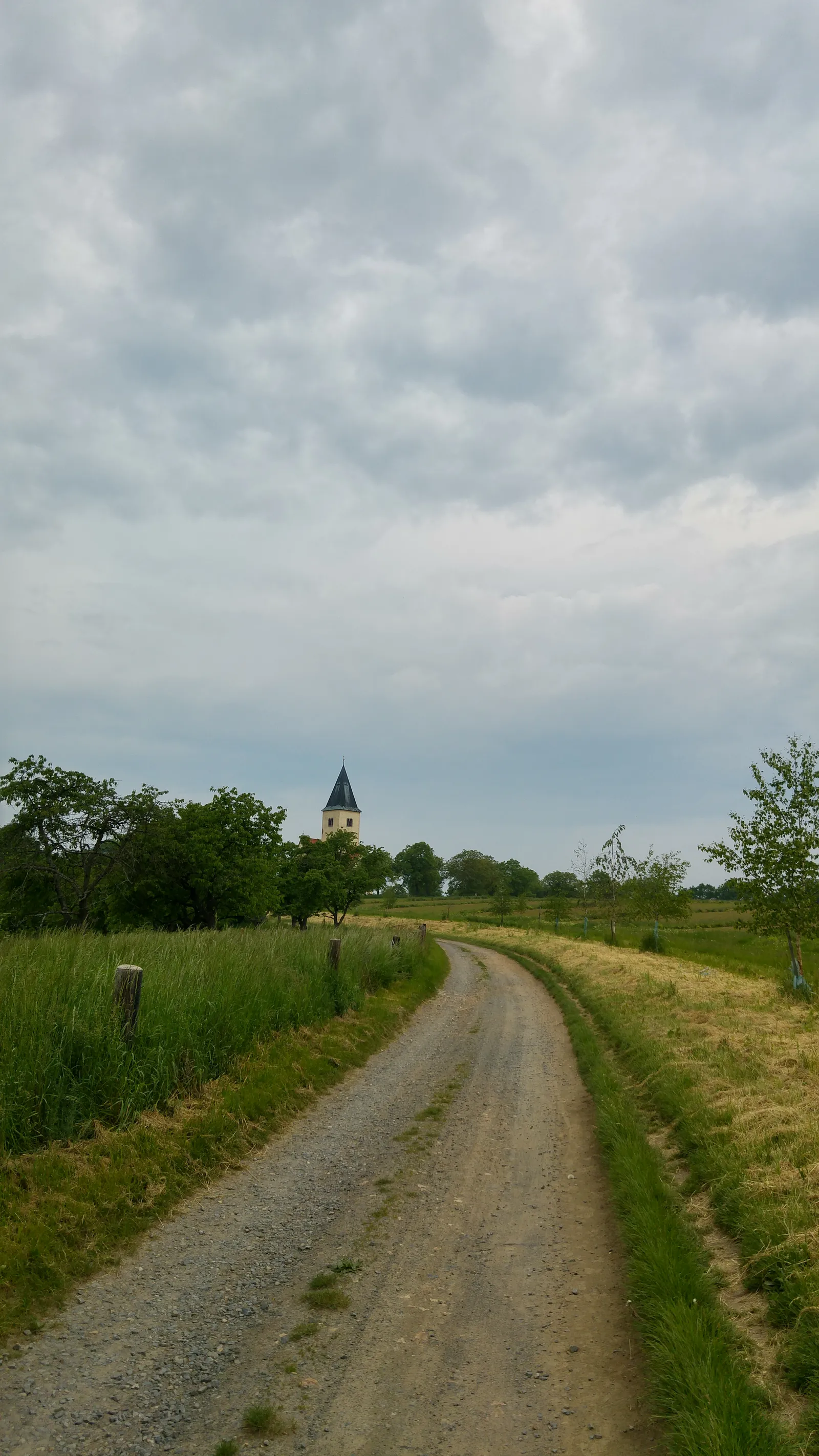
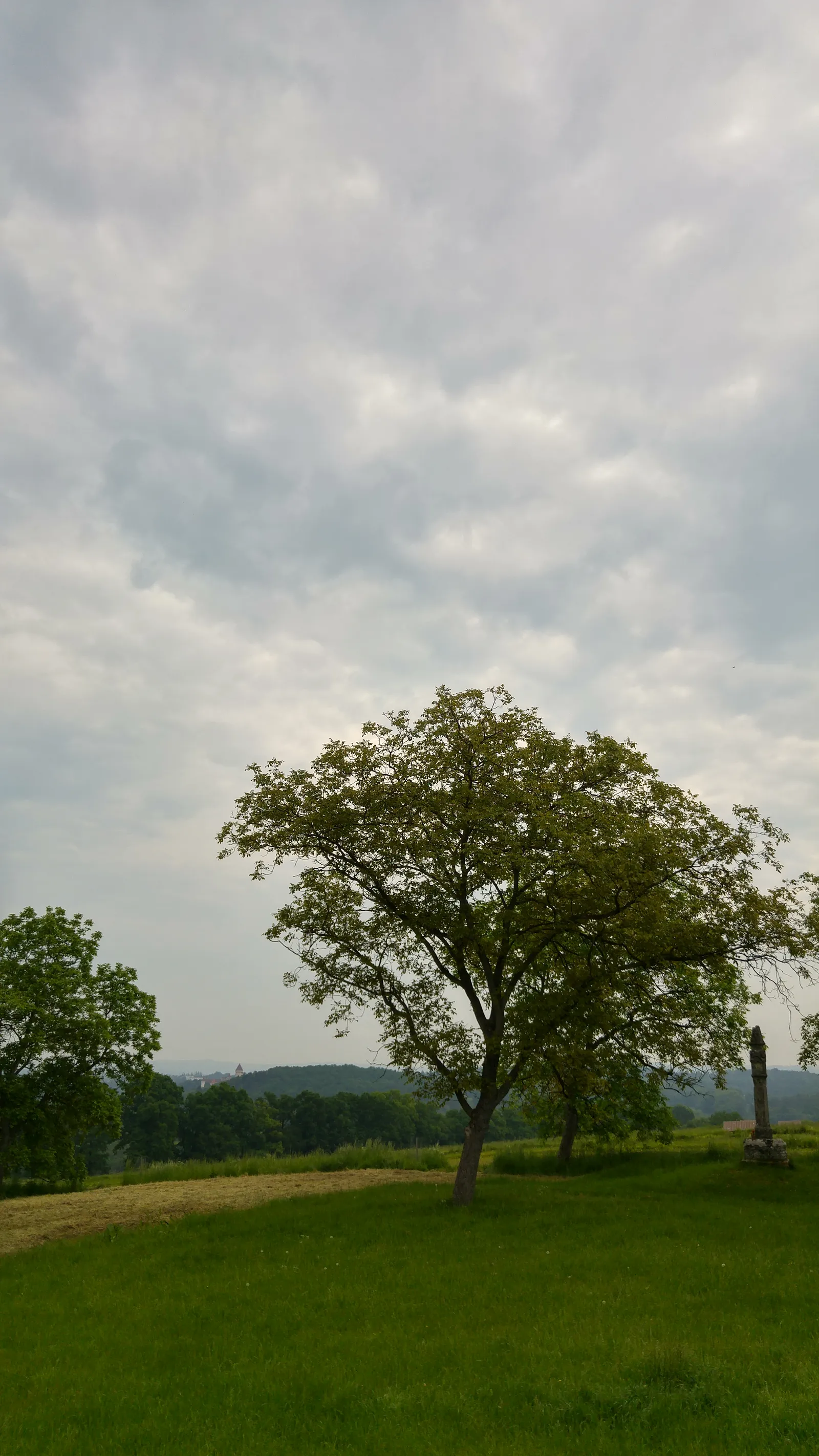
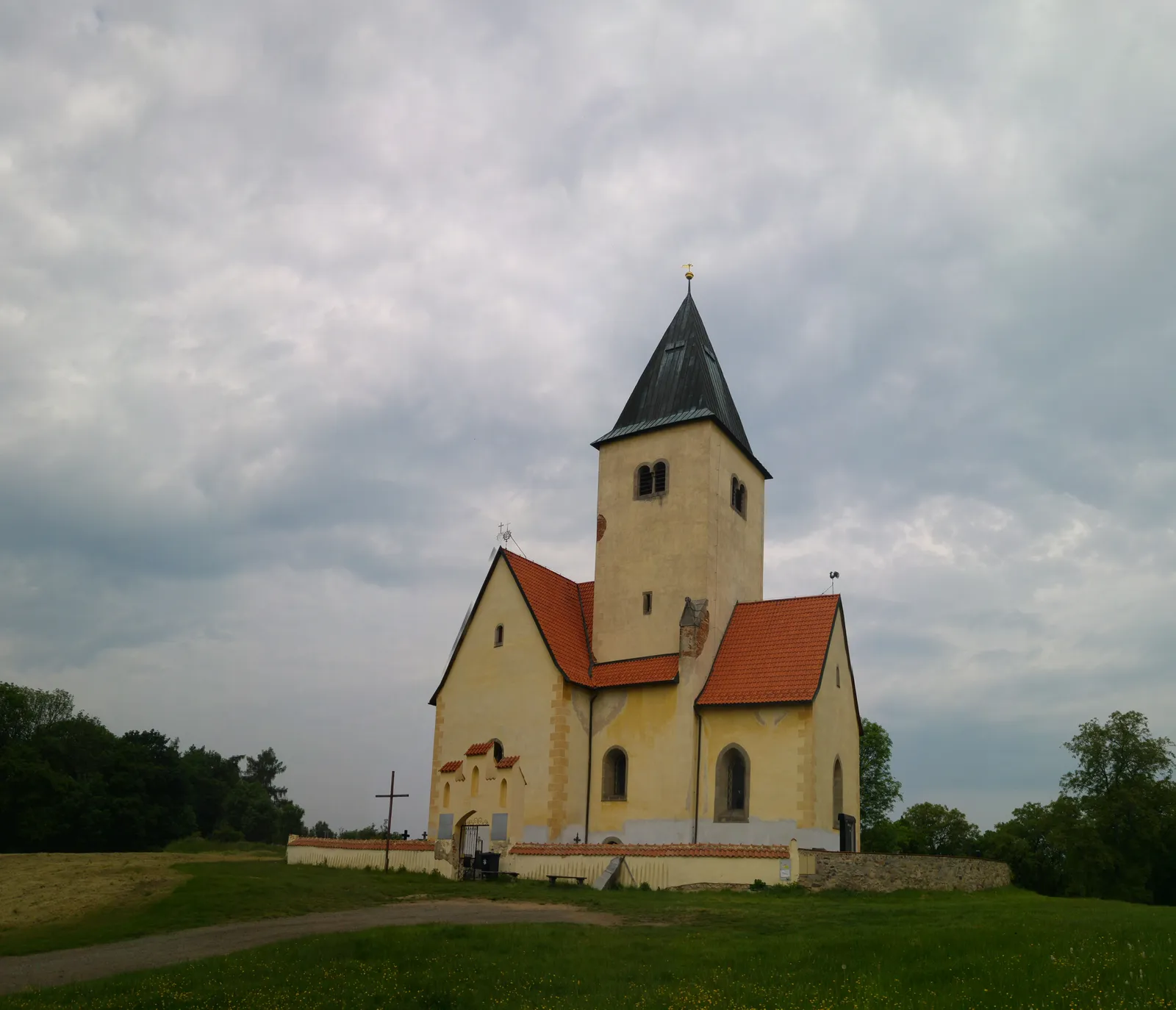
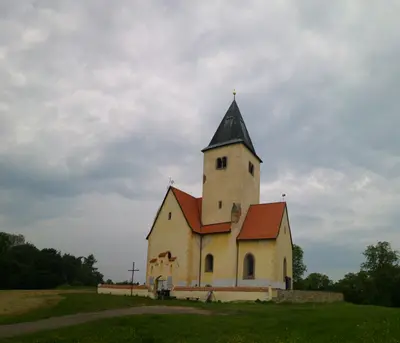
The first stretch from Benešov u Prahy station to Konopiště is unremarkable — get through it, because the walk properly begins at the château. The park is free to wander and worth unhurried time: ponds, avenues, the rose garden. From Konopiště take the yellow waymark south to Chvojen, where the 1217 church stands alone on its hill above the woods — the quiet high point of the route, and a natural spot to turn back to Benešov if you want a short day.
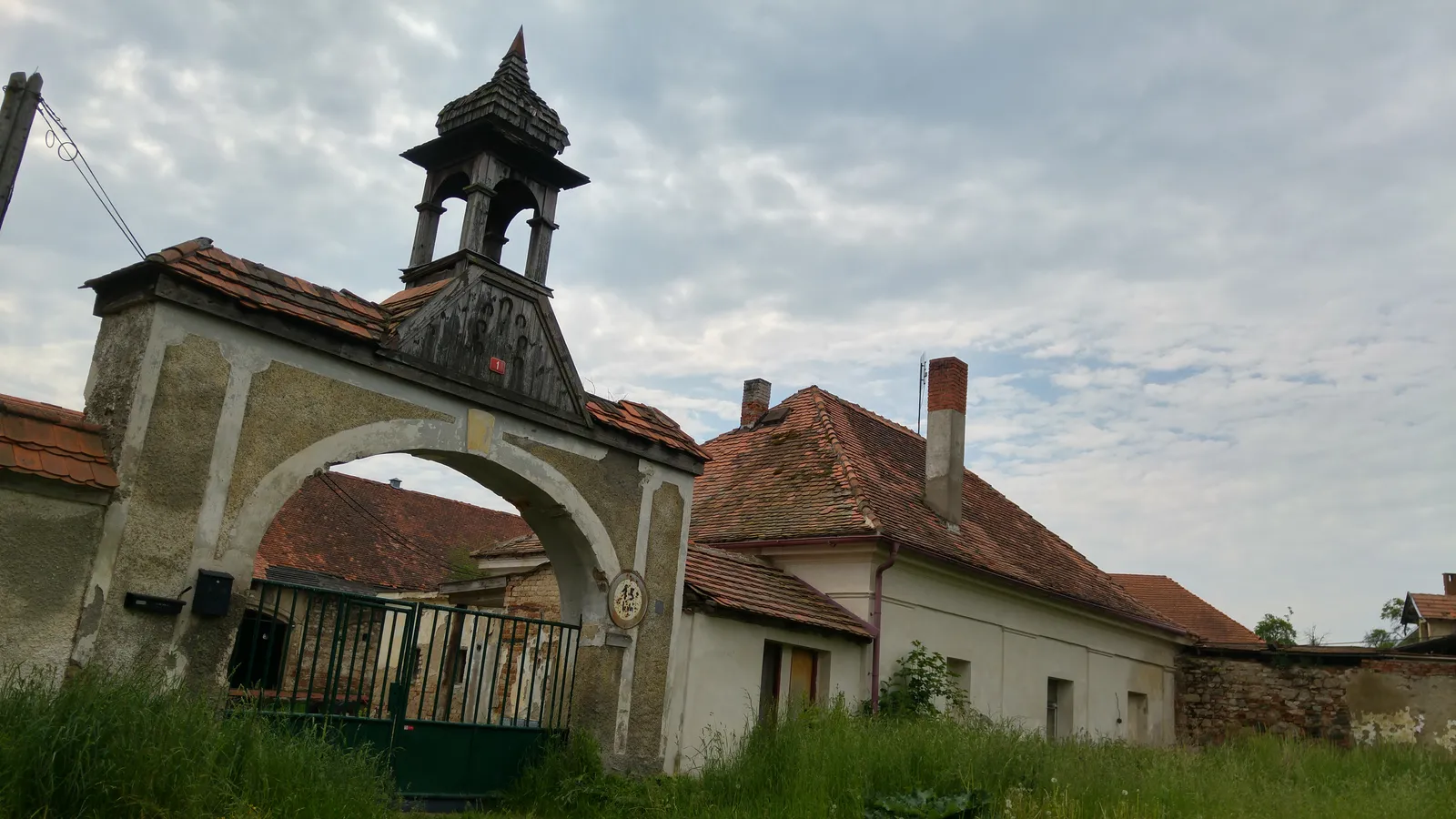
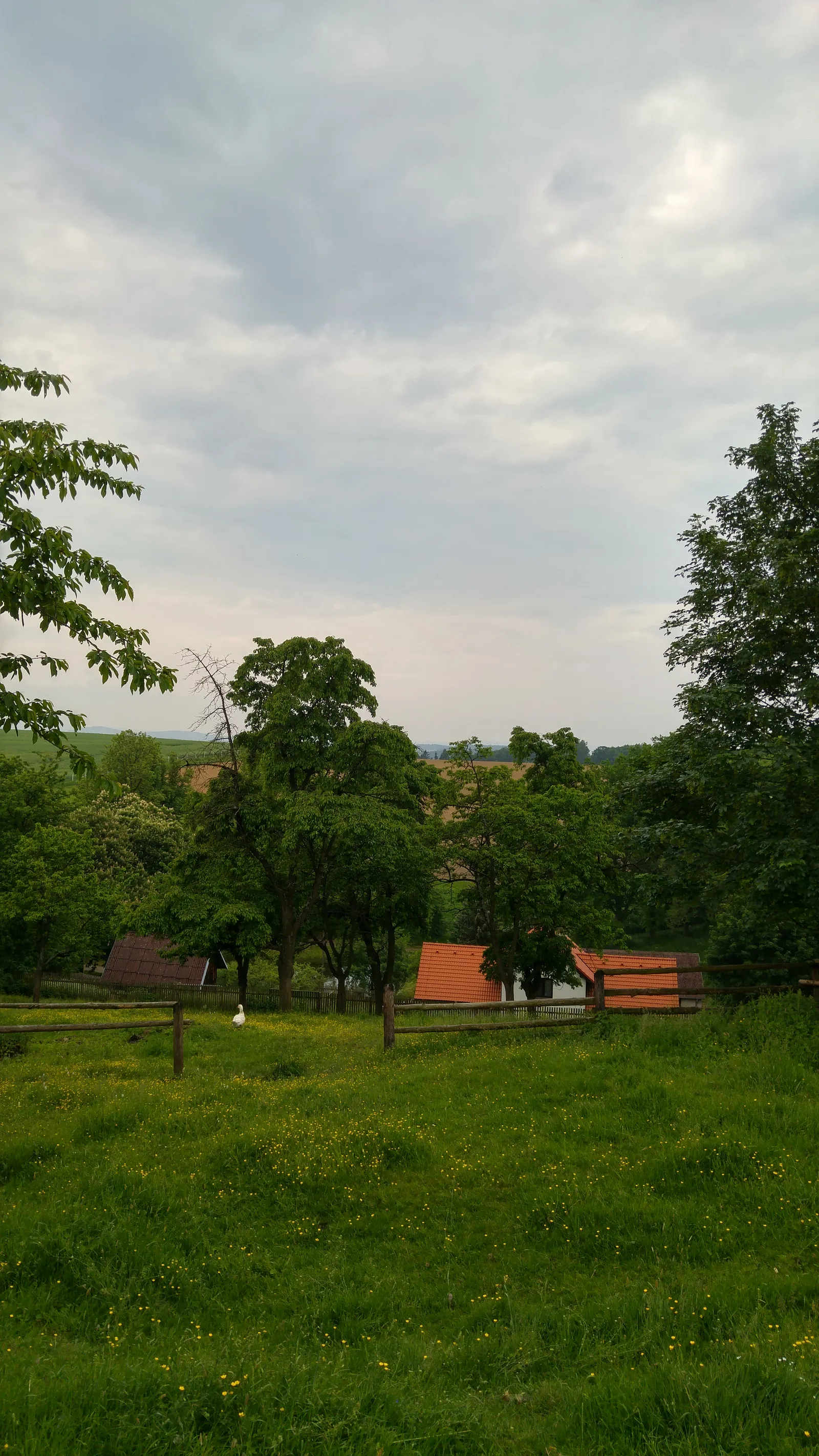
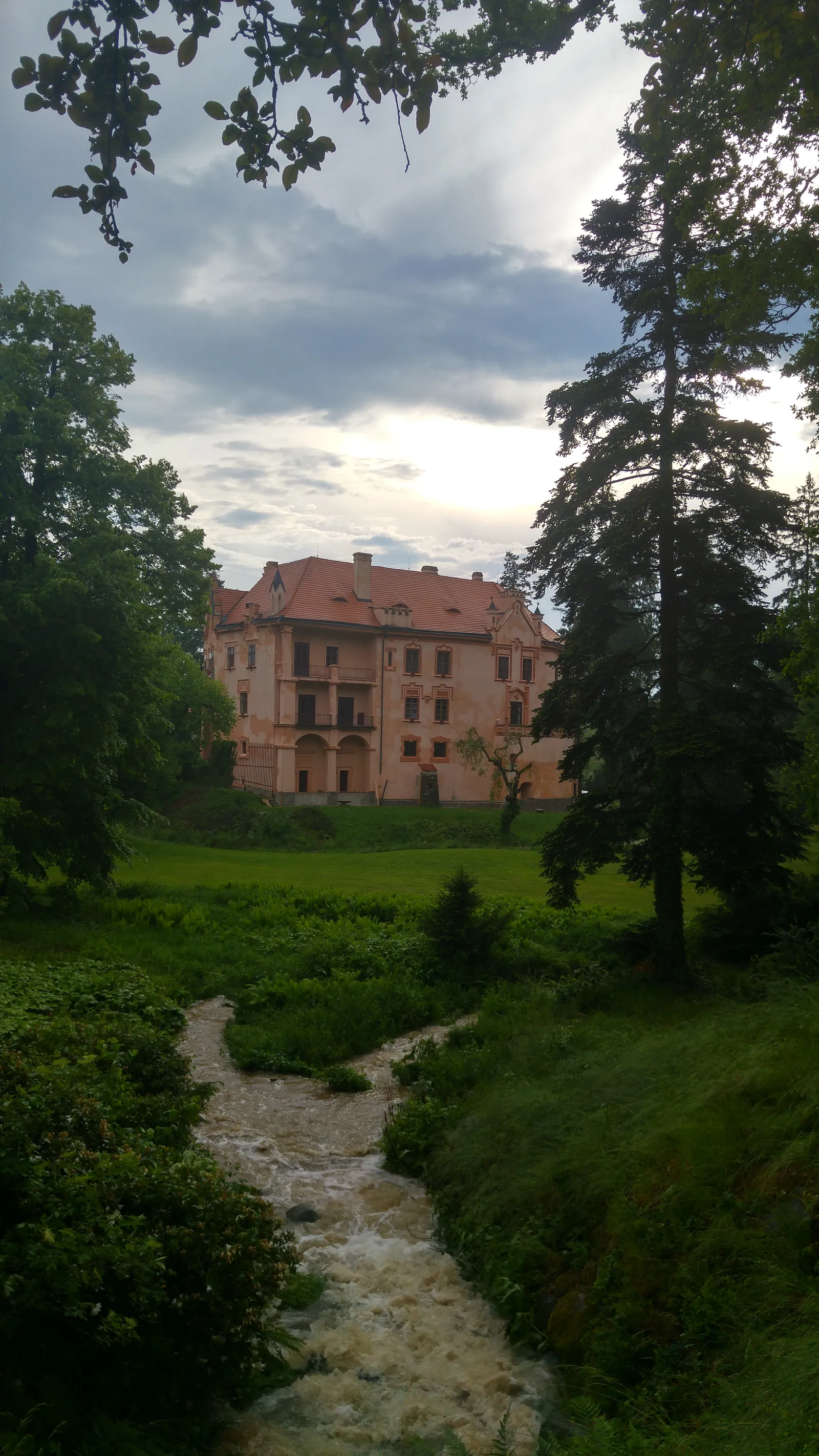
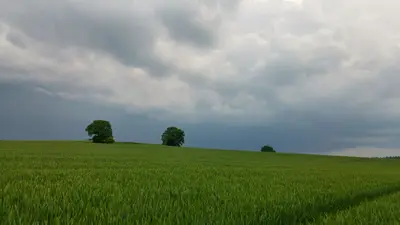
Continuing instead, the route runs south-west through farmland and small villages — Doloplazy, Dlouhá Lhota, Zahořany, Drachkov — with the climbing long behind you. The walked track ends at the hamlet of Libohošť, a short way from Vrchotovy Janovice; the château park and the Národní muzeum exhibitions inside make a better finish line than the village itself.
Practical info
| Start | Benešov u Prahy railway station — by train, bus |
|---|---|
| End | Libohošť (Vrchotovy Janovice) |
| Waymarks | yellow |
| Terrain | forest path |
| Links | Open route on Mapy.com |
| GPX | Download track |
On the way
-
Konopiště
The château of Archduke Franz Ferdinand d'Este — a 13th-century French-style castle turned lavish residence, set in a vast landscaped park with a rose garden, 2 km west of Benešov.
-
Chvojen
A hilltop church from 1217 above the Konopiště woods — the second oldest in the Benešov region, standing on the site of a Celtic hillfort, with medieval frescoes uncovered during Franz Ferdinand's restoration.
-
Vrchotovy Janovice
A neo-gothic château in a celebrated English park — the home of Baroness Sidonie Nádherná, whose salon drew Rilke, Karl Kraus and Karel Čapek; now a National Museum site.
Photos
-
-
-
-
-
-
-
km 20.22 -
km 24.58