Kingdom Come Country
Polabí · Point to point · hiked 26 April 2025
A 27.6 km easy spring walk from Kolín to Kutná Hora — through Ratboř of Kingdom Come fame and past Špork's ruined Belvedér on Vysoká.
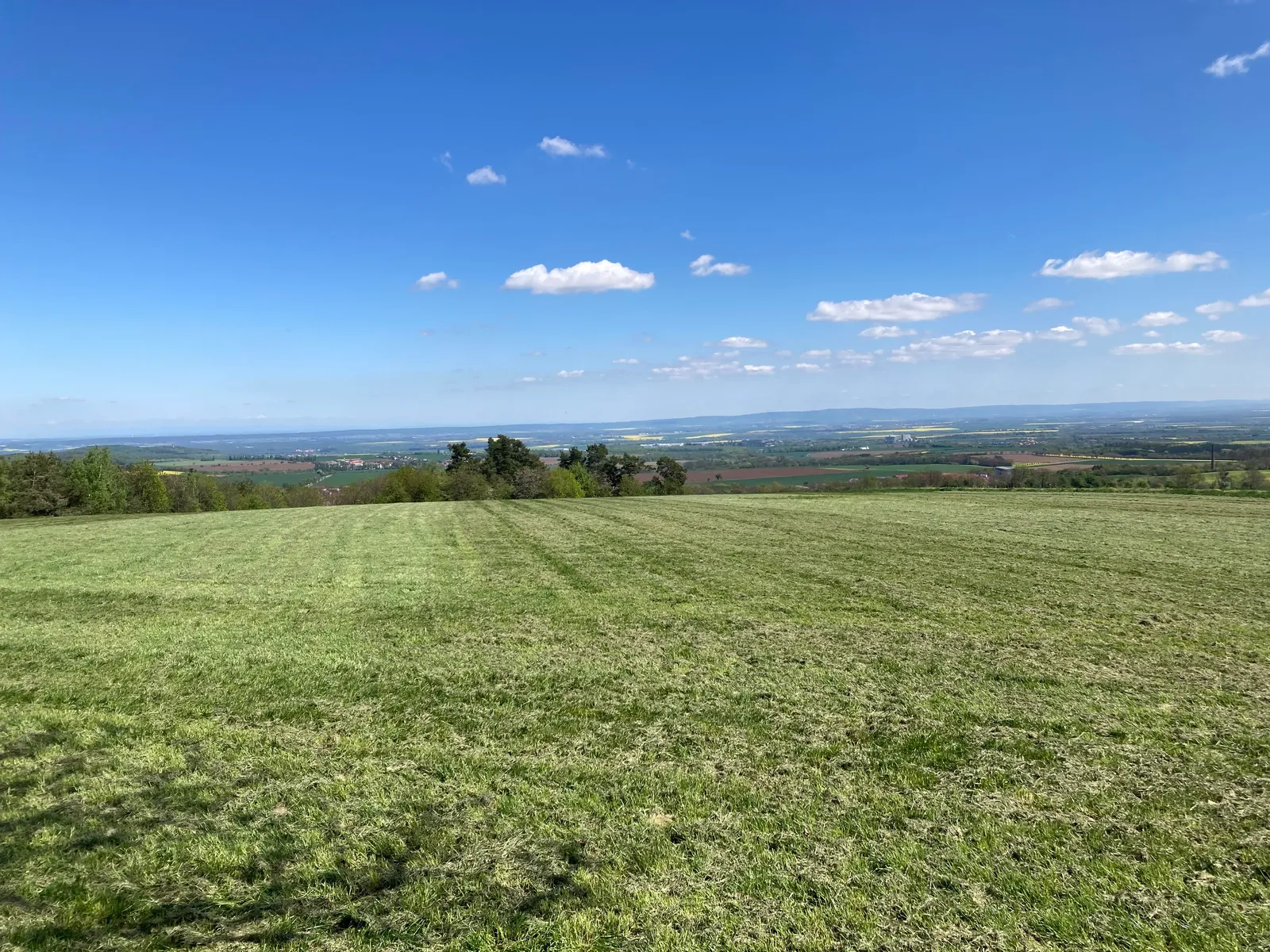
Trains make both ends easy, and the walking between them asks almost nothing — there is barely any climbing, so the interest is in what the route passes, not the terrain. Since 2025 the middle section doubles as a Kingdom Come: Deliverance II pilgrimage: this is the real countryside the game’s Kuttenberg map rebuilds.
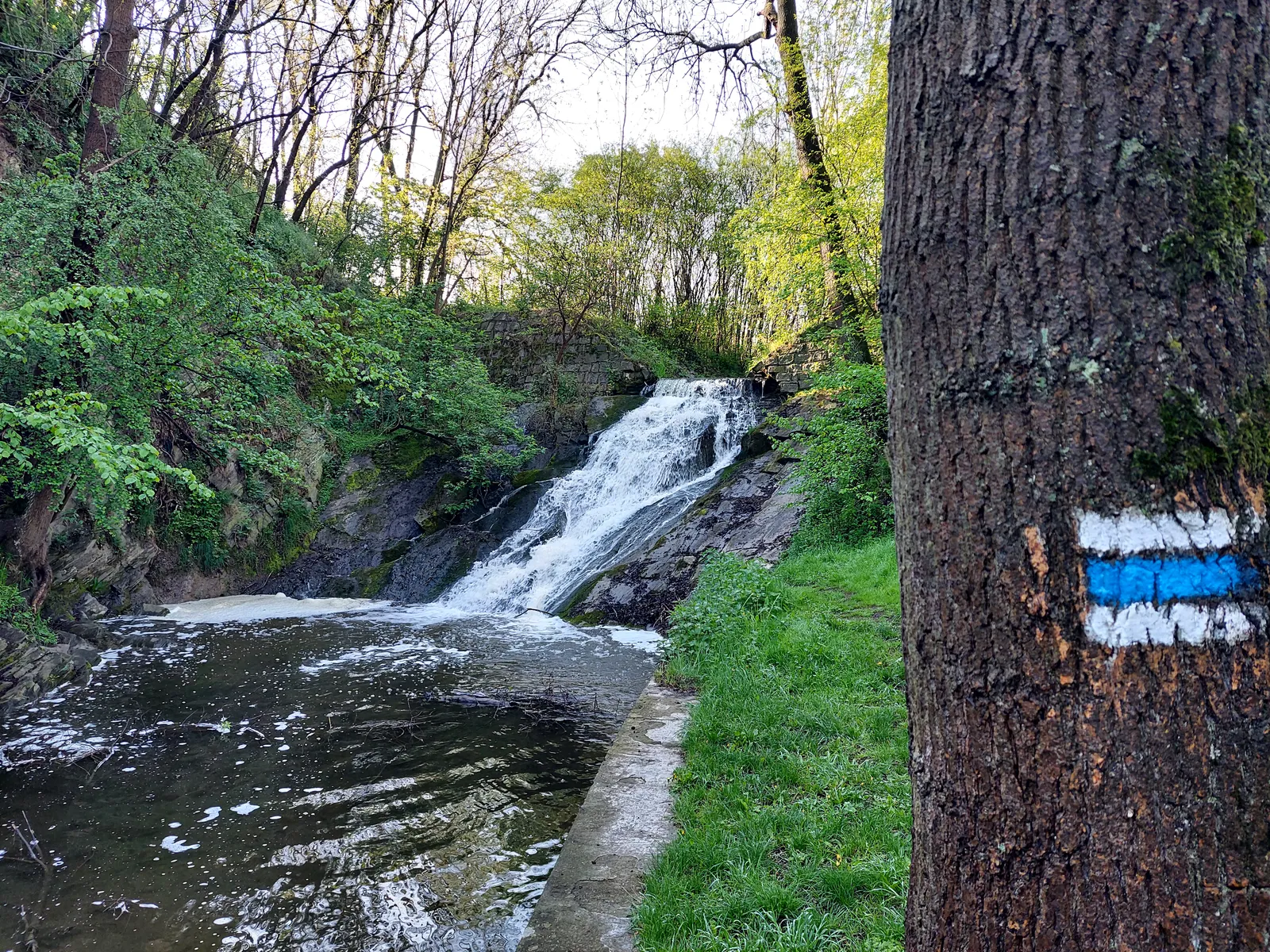
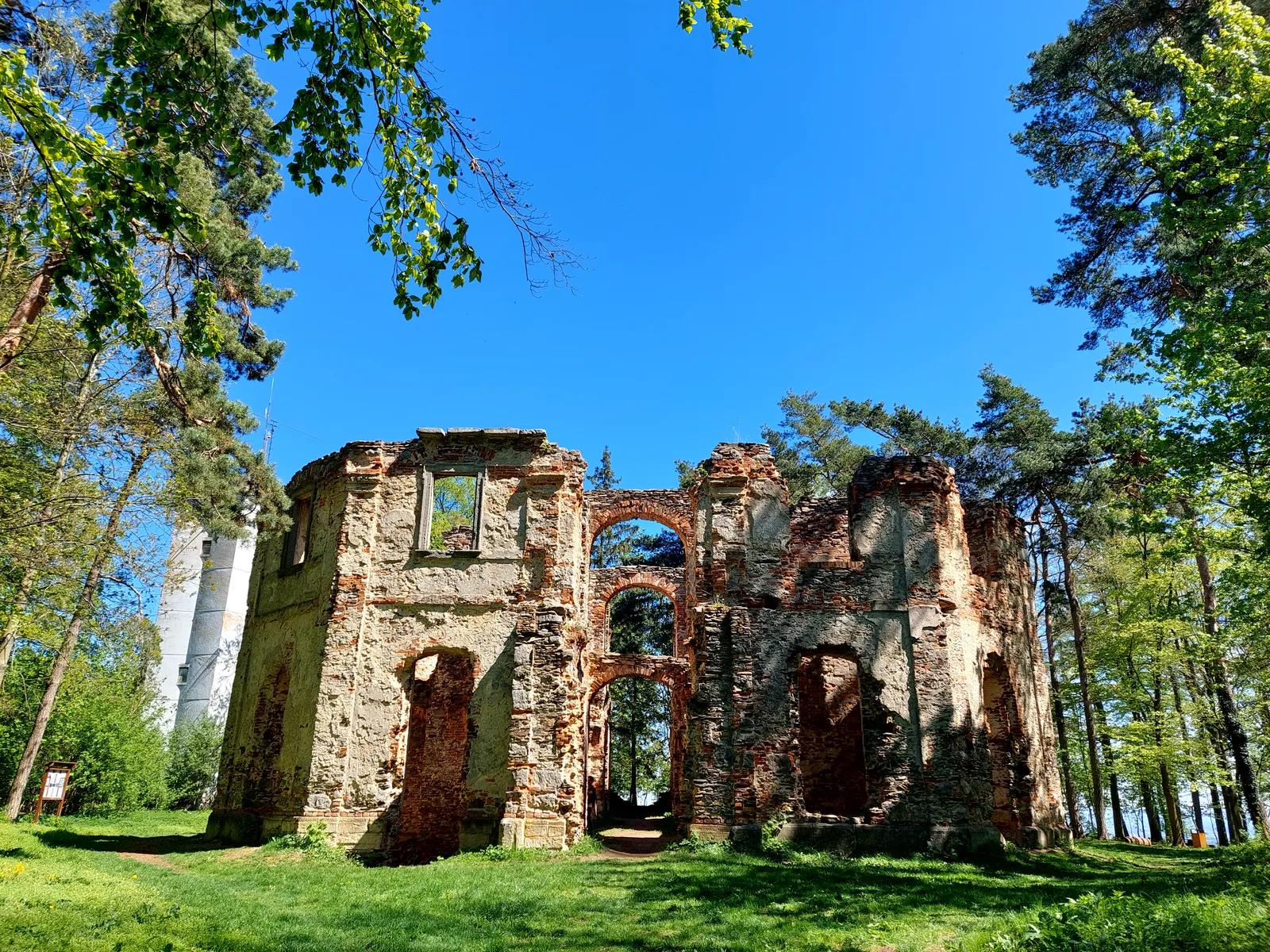
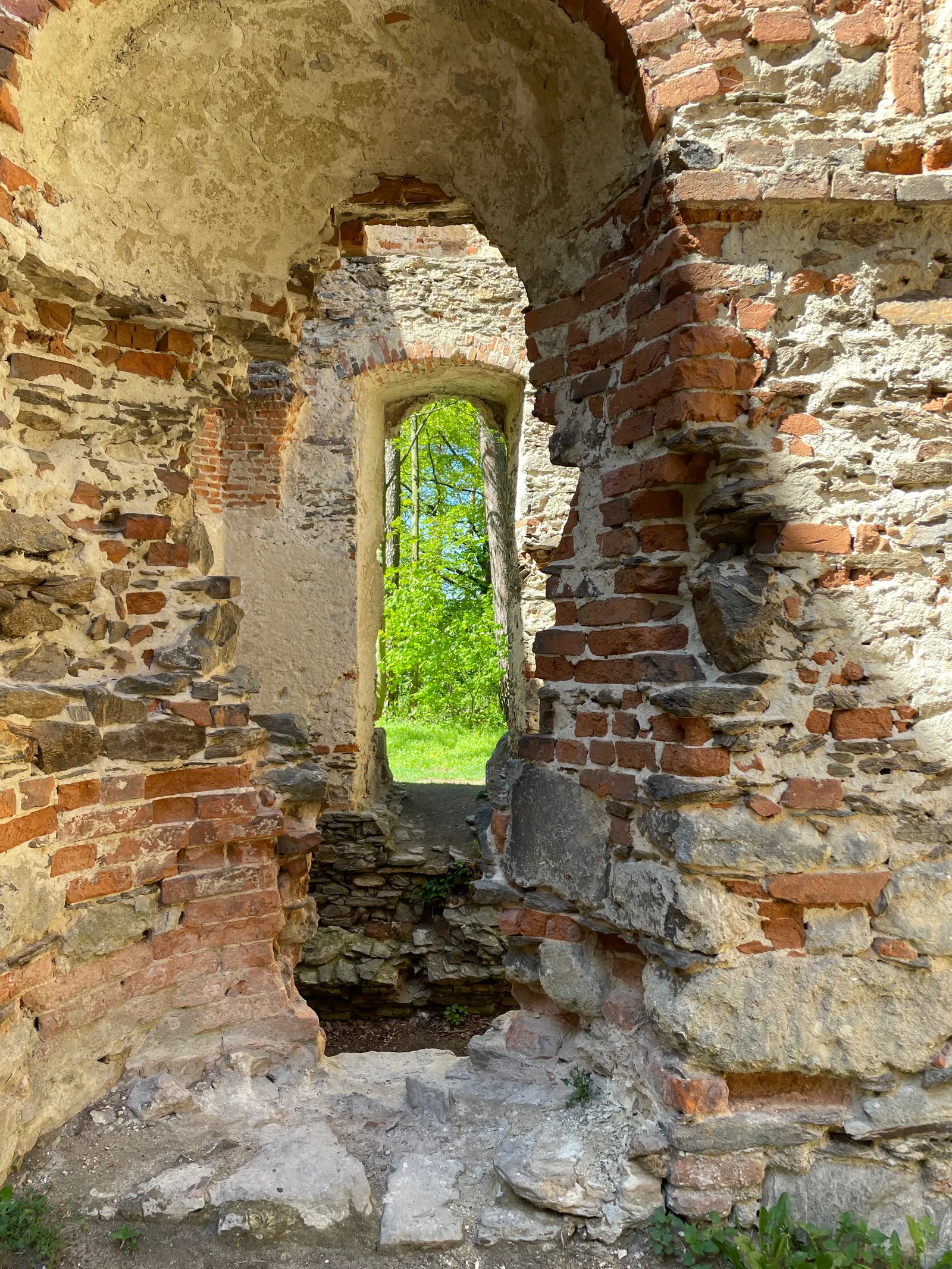
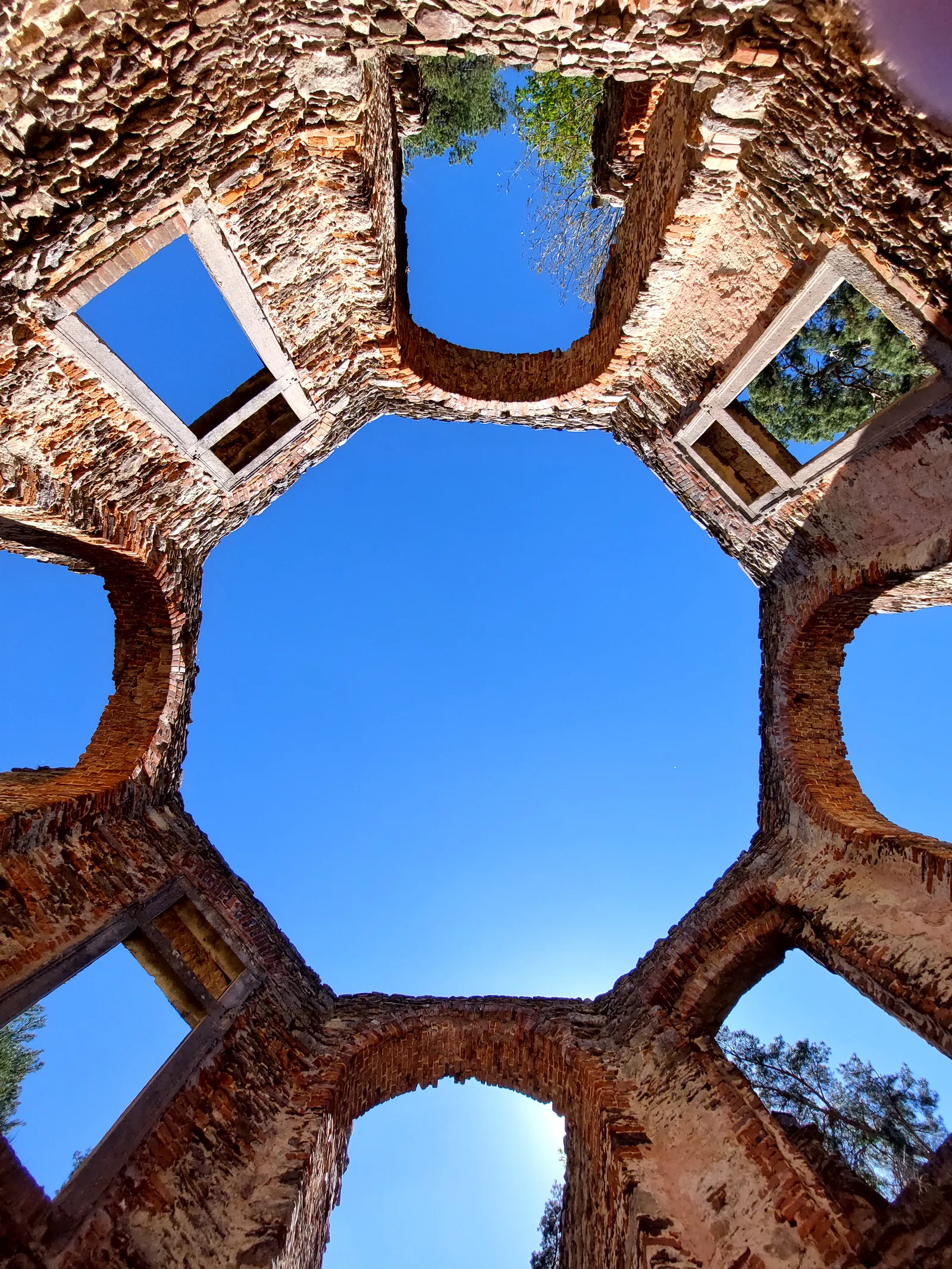
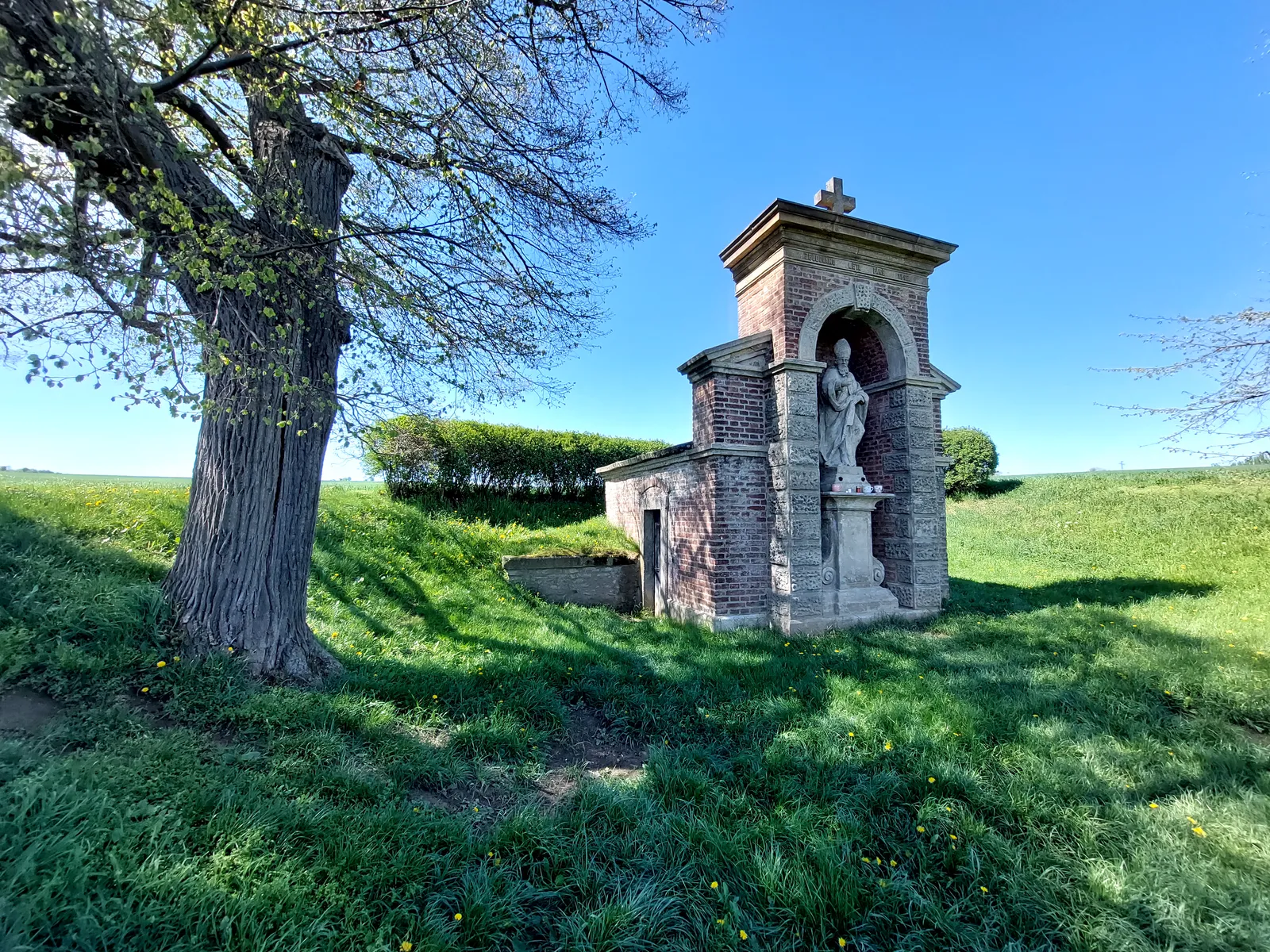
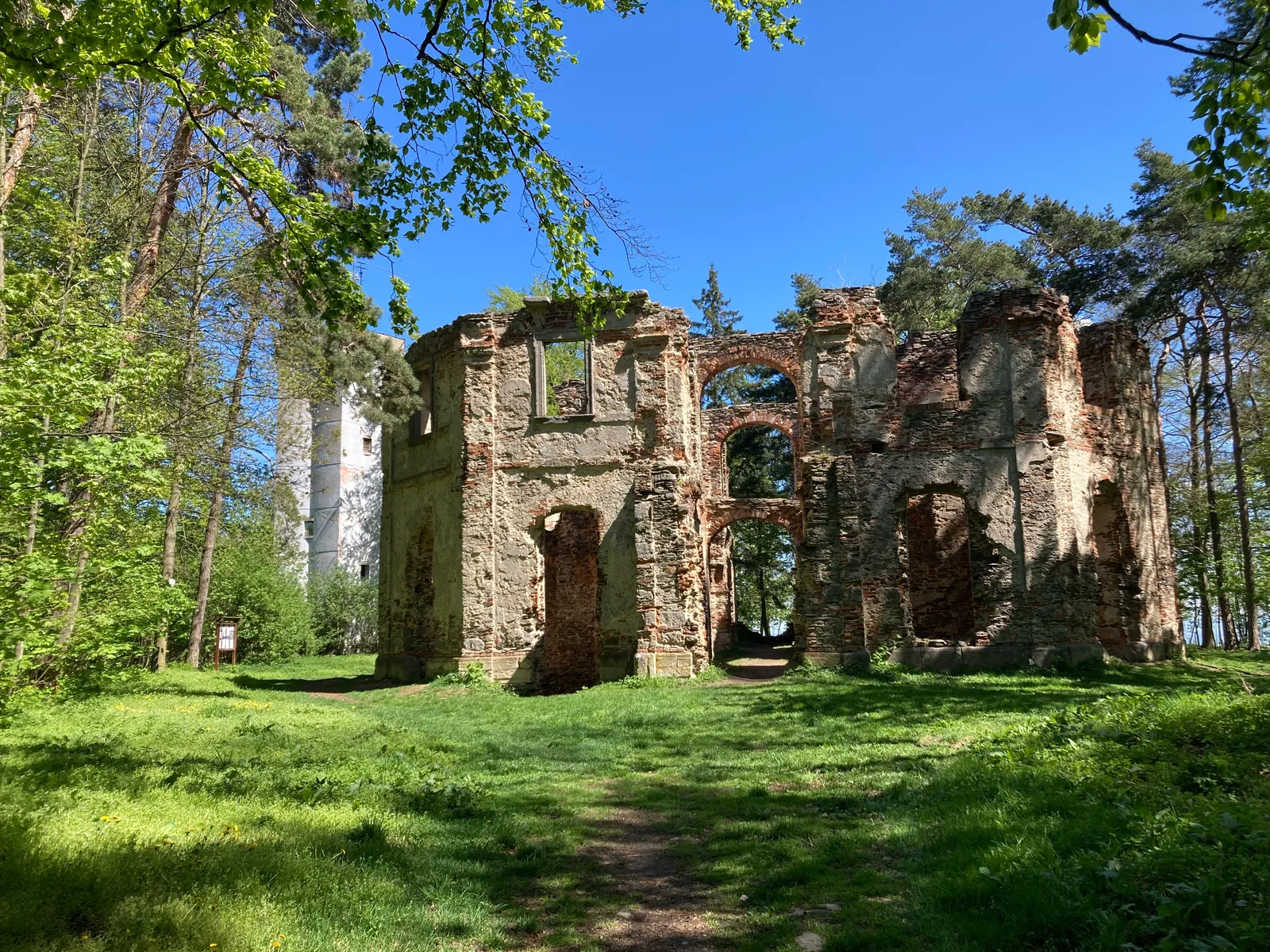
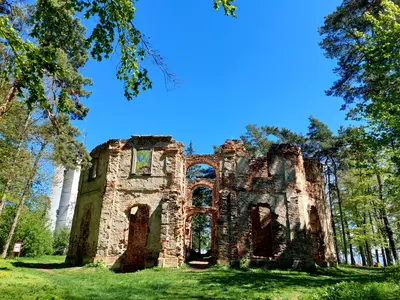
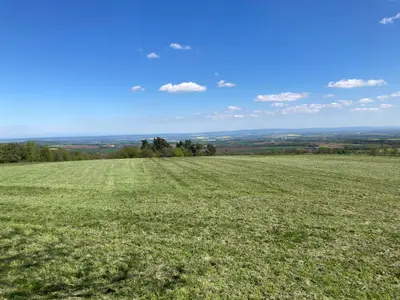
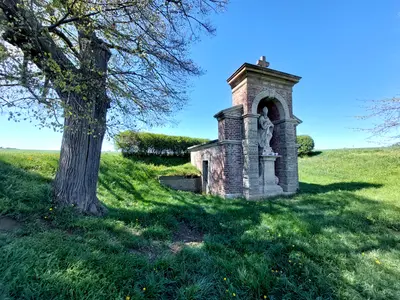
From Kolín station the way heads south through Pašinka into open fields and reaches Ratboř — a quiet farming village to walk through, unless you know it as Raborsch from the game, in which case the geography starts clicking into place. The route continues east through rolling fields towards the wooded bump of Vysoká, the one real hill of the day. In the woods on its summit stand the surprisingly monumental walls of the Belvedér, Count Špork’s burnt-out summer palace — an atmospheric ruin that few outside the region know.
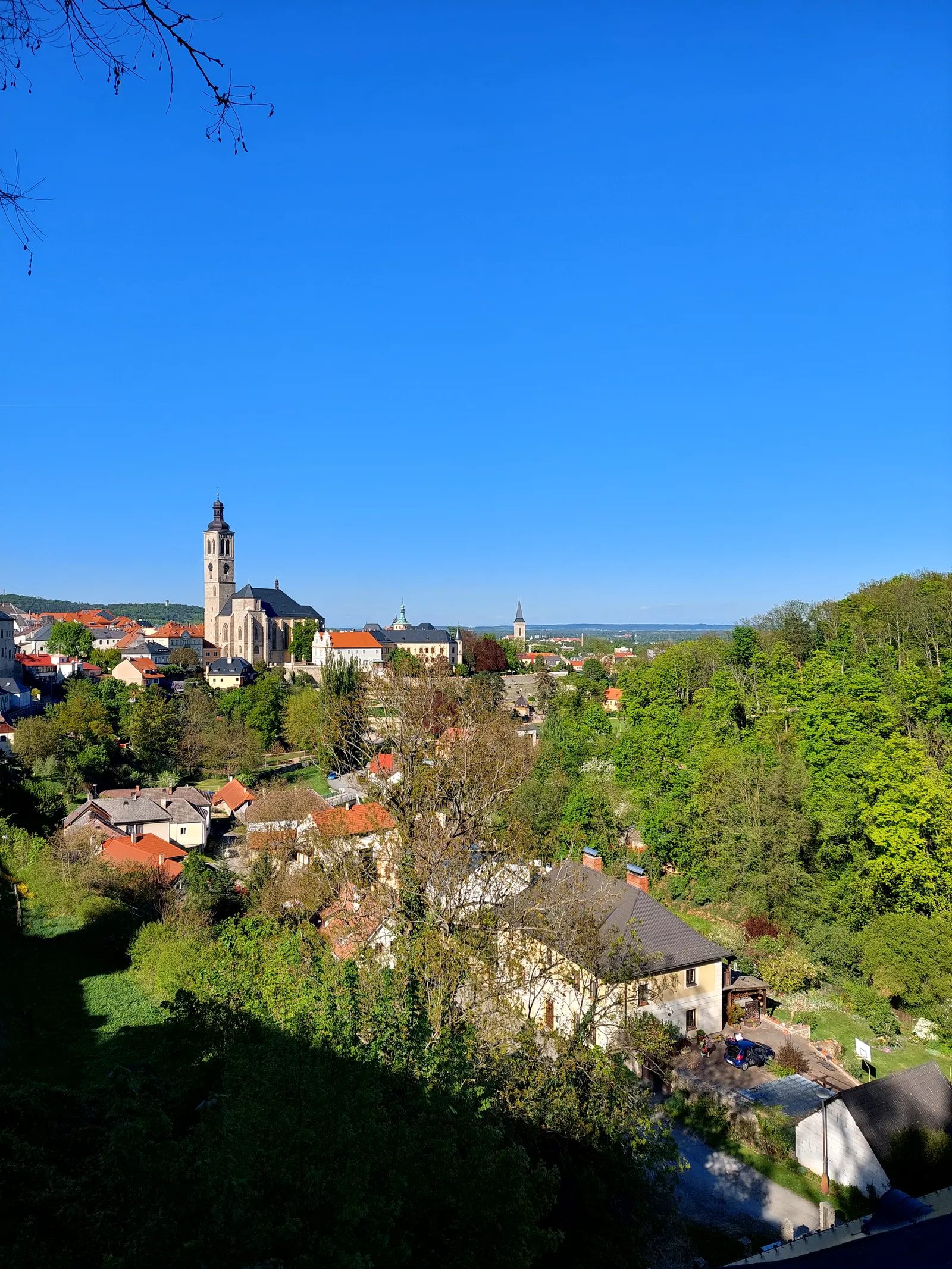
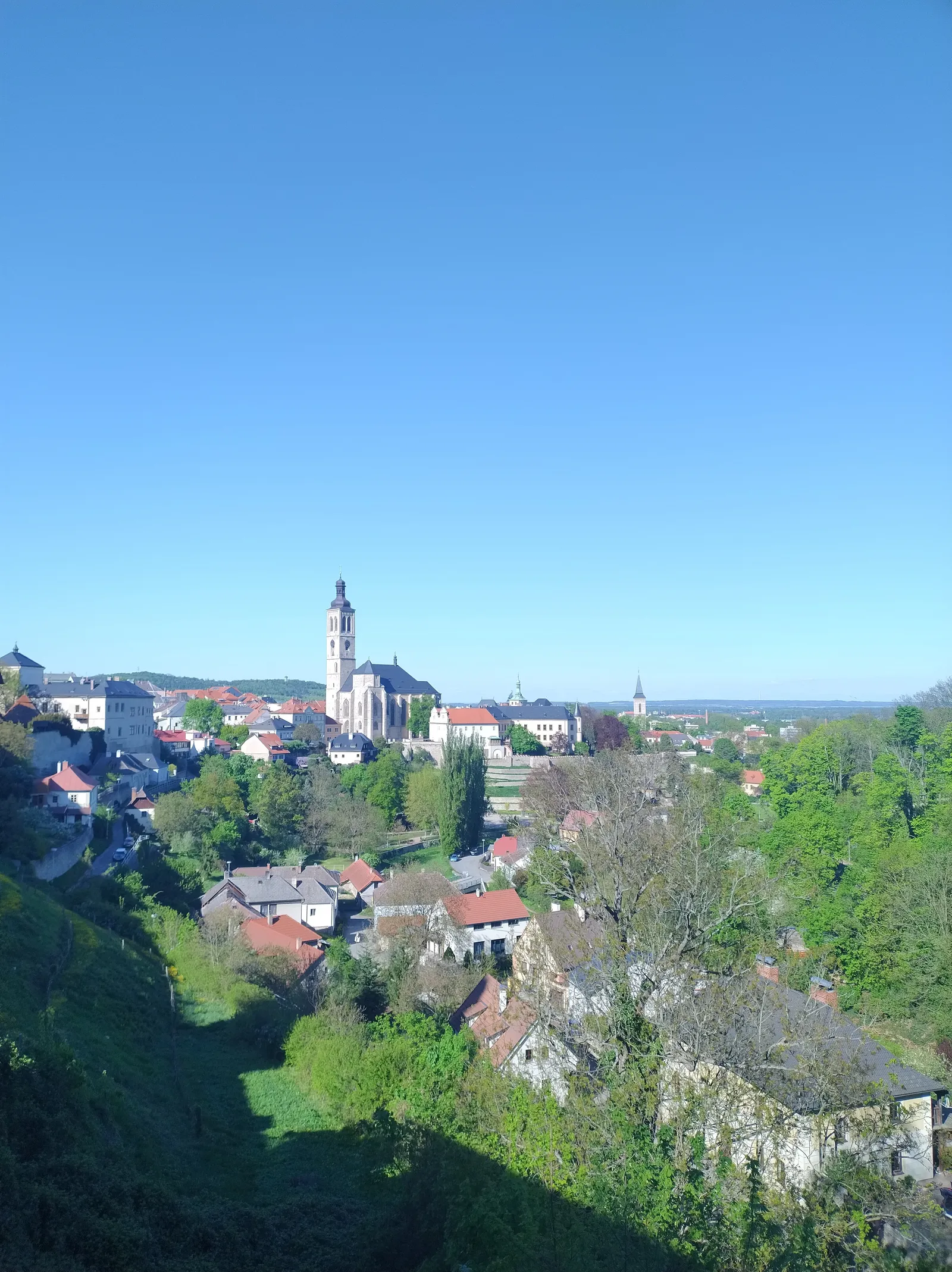
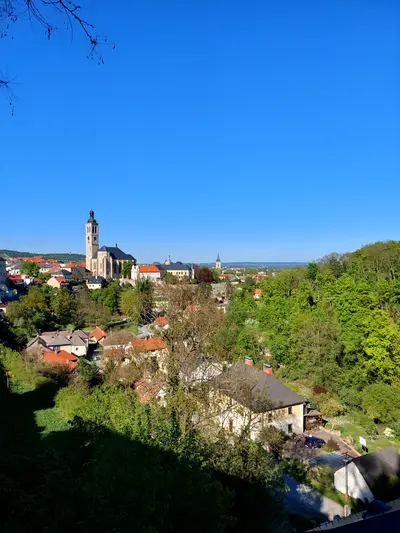
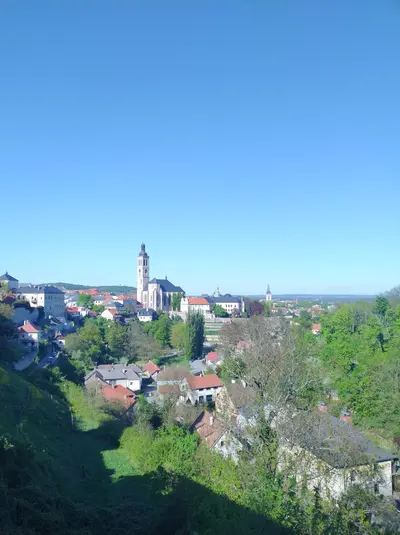
The final leg passes through Miskovice and Přítoky before Kutná Hora appears, St Barbara’s tent roofs first. Walk the historic centre through rather than around — the route ends at the main station in Sedlec, which puts the ossuary practically on the way out.
Practical info
| Start | Kolín railway station — by train, bus |
|---|---|
| End | Kutná Hora hlavní nádraží railway station — by train, bus |
| Terrain | forest path, field track |
| Links | Open route on Mapy.com |
| GPX | Download track |
On the way
-
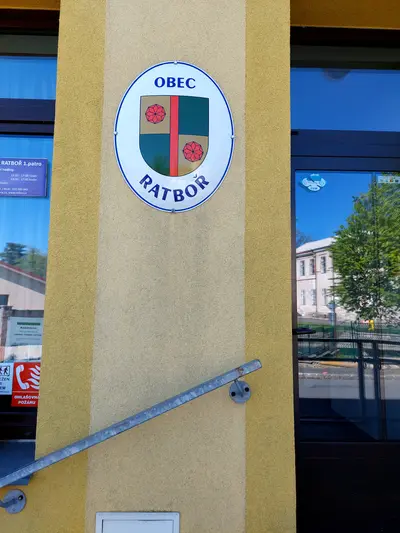
Ratboř
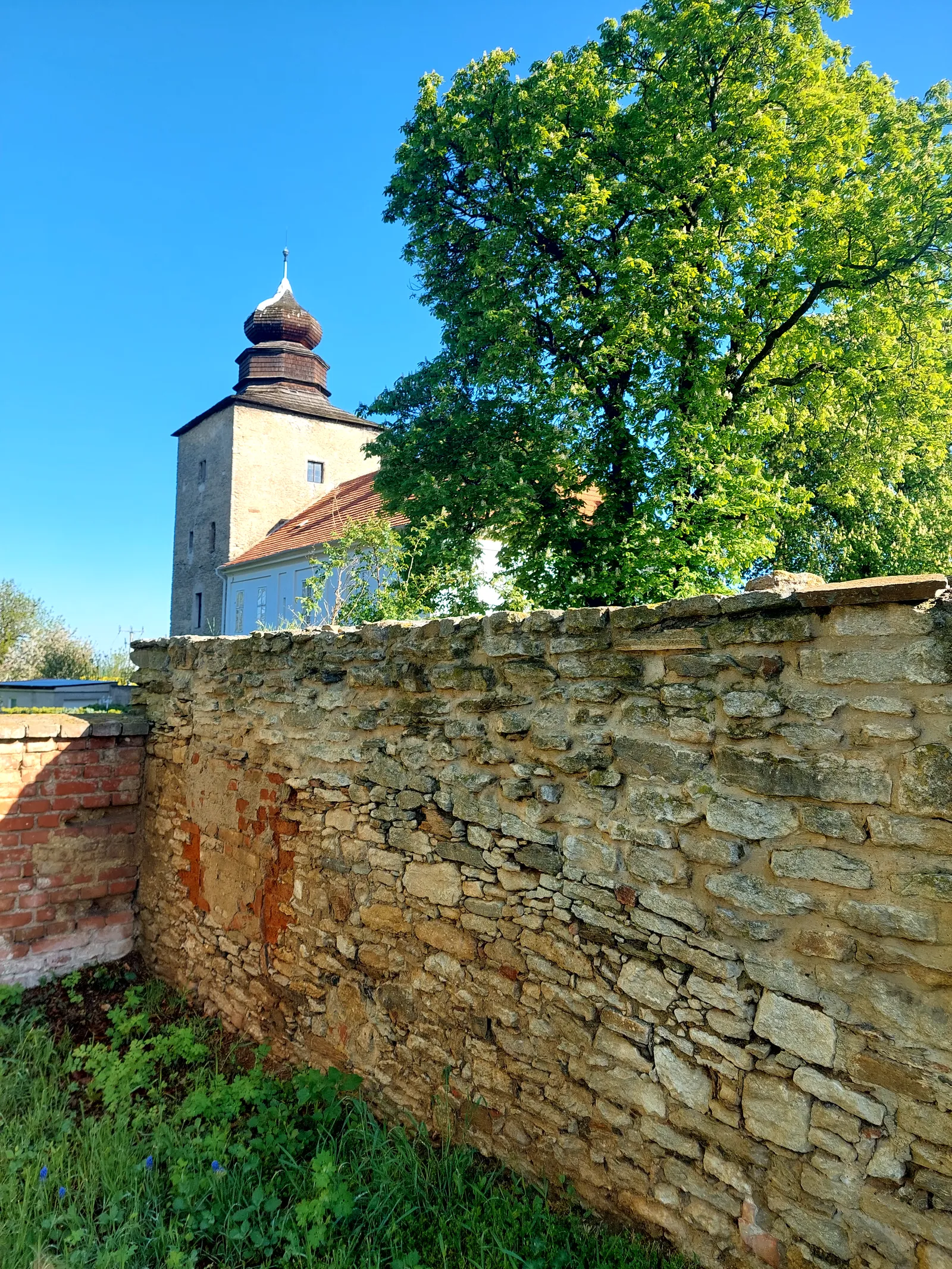
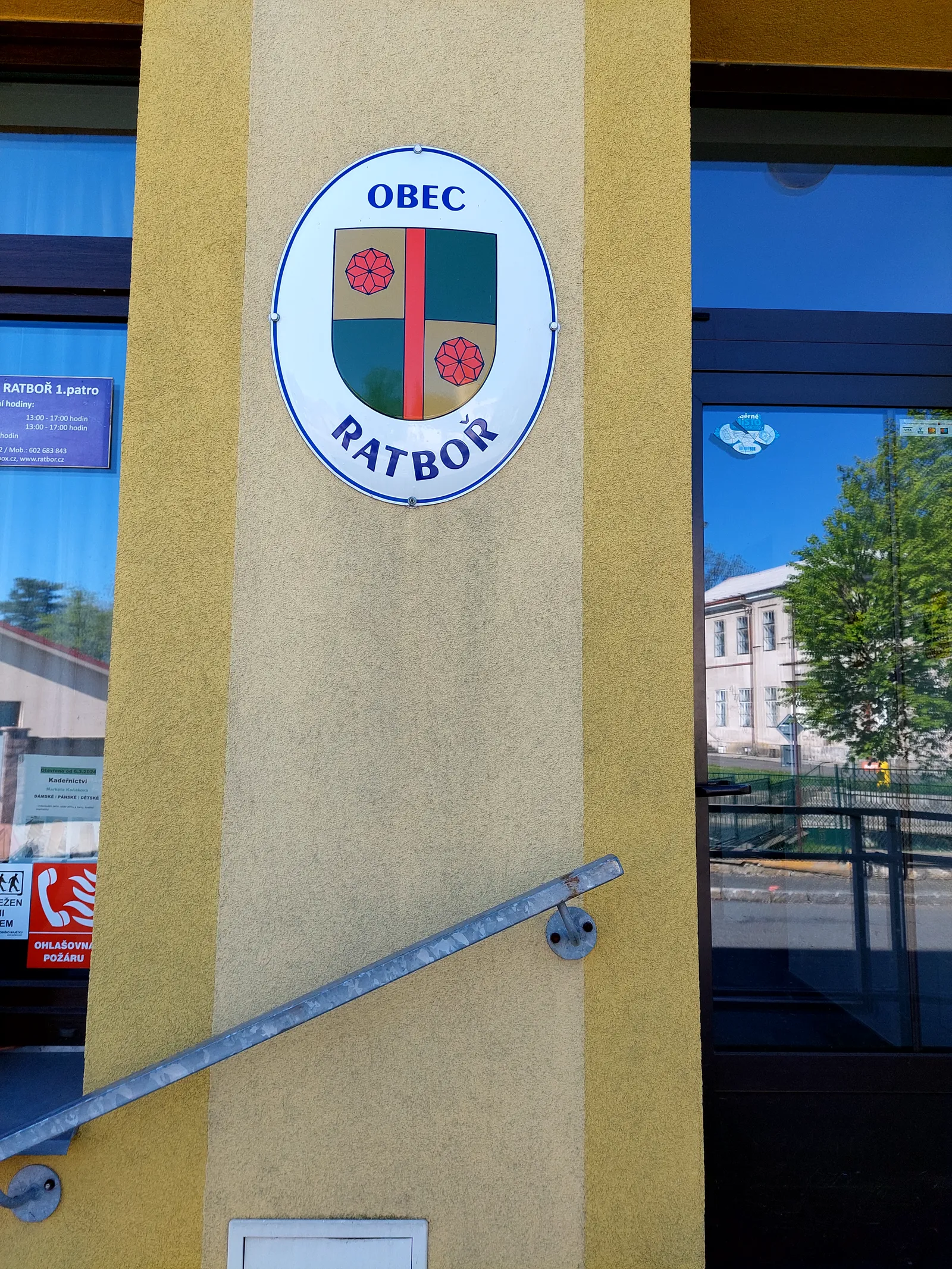
A village south-west of Kolín, documented since the 12th century around a medieval fort — known to gamers worldwide as Raborsch in Kingdom Come: Deliverance II.
-
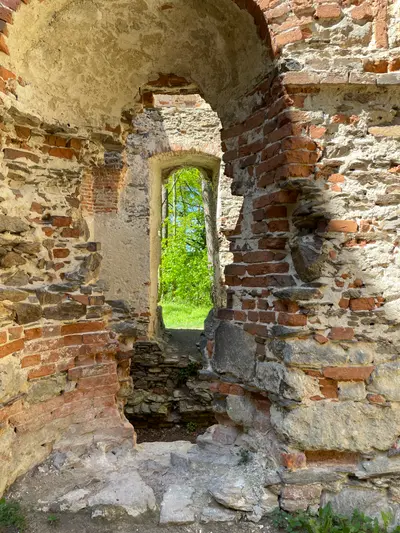
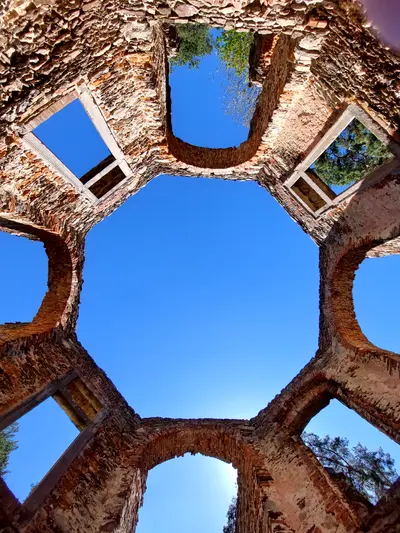
Belvedér na Vysoké
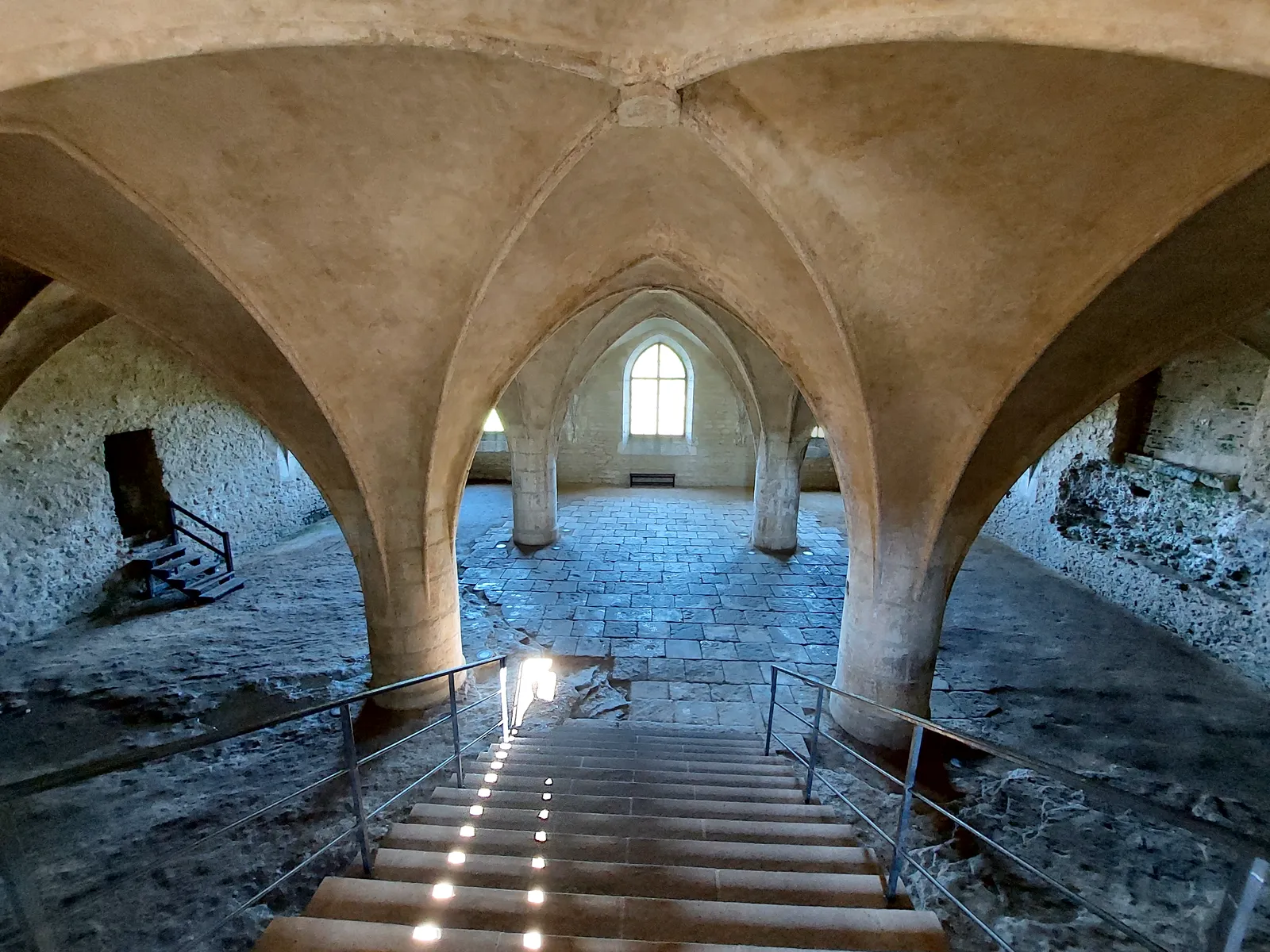
The monumental ruin of Count Špork's baroque summer palace and chapel of St John the Baptist on Vysoká hill (471 m) — built 1695–97, struck by lightning in 1834 and never rebuilt.
-
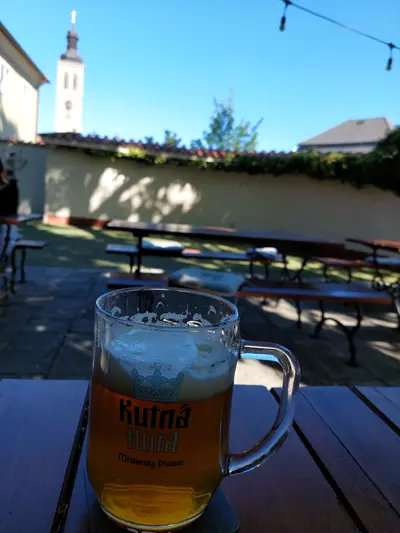
Kutná Hora
The medieval silver capital of Bohemia and a UNESCO site — St Barbara's cathedral above the Vrchlice valley, the royal mint at the Italian Court, and the Sedlec ossuary on the edge of town.
Photos
-
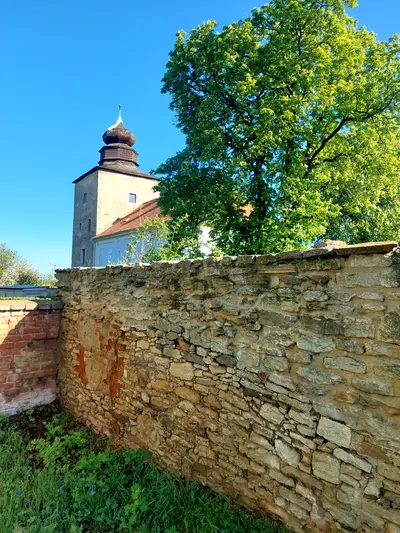
km 4.45 -
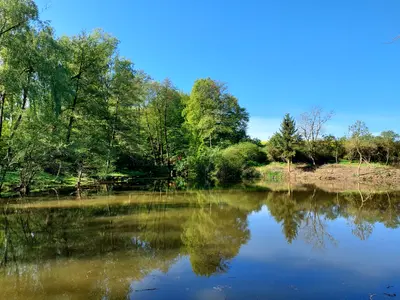
km 7.14 -
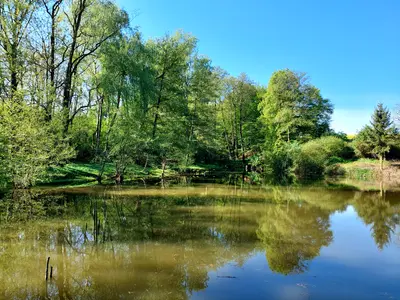
km 7.14 -
km 8.87 -
km 15.48 -
-
km 15.54 -
-
km 19.92 -
km 23.32 -
-
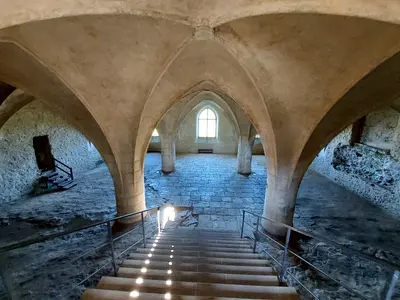
km 23.27 -
km 24.46